
FAQs
FAQs
Accommodation
What accommodation is available in Wānaka?
We have accommodation available at our Kea Lodge in Albert Town, which is adjacent to our base and starting point for trips. There is a small supermarket, cafe, pub and takeaway within 10 minutes walk offering a range of food options. and a variety of walking and biking trails to explore.
Alternatively there are various options for accommodation in central Wānaka to suit all budgets. Websites such as Booking.com provide an easy platform to see what options are available. For standard motel style rooms, there is the Bella Vista or Wanaka Hotel. For more boutique-style accommodation, you can try Te Wanaka Lodge. All of these options are central so they have easy access to the shops and restaurants.
What accommodation is provided during a trip?
Accommodation in mountain huts, camping or our Kea Lodge is included in most trip costs.
If you return to Wānaka during a trip, you can usually stay at Kea Lodge or you can arrange to stay elsewhere according to your preferences.
Ascents
How hard is it to climb Mount Cook?
The difficulty of Aoraki / Mount Cook is often underestimated due to its modest height by international standards. Attempting a guided climb requires a proven track record of technical climbing, crampon and ice axe use.
The summit day involves over 1700m of ascent and descent including a number of mixed climbing pitches. A good fitness benchmark is being able to ascend 1000m in 3 hours and trek up to 20km in a day over rough ground with a 15kg pack.
The route is also subject to serious crevasse, avalanche, and icefall hazards. The exposure to objective hazards requires guides and clients to be able to move quickly and efficiently through steep and difficult terrain. The duration of the climb means that climbers need to have experience managing fatigue, sustenance, and maintaining focus on long mountain days.
How hard is it to climb Mount Aspiring?
A guided ascent of Mount Aspiring is achievable for most people with some experience off-track trekking over rough ground and a moderate level of fitness.
Training in all the technical skills required to safely undertake an ascent via the Ramp can be covered prior to the ascent. For those wishing to gain more mountaineering experience, the trip can be extended for a few days to include further instruction in preparation for the ascent.
Good fitness is required to climb Mount Aspiring. We recommend a fitness benchmark of being able to ascend 1000m in 3 hours and trek up to 20km in a day over rough ground with a 15kg pack. After the summit day, the walk-out involves another 1500m+ of descent down technical terrain and a 20km walk out down the valley with full packs (10 – 15kg).
For more advice on training for Mount Aspiring, check out our Knowledge Base article, Essential Training for Mount Aspiring.
Logistics
Where do we meet for ski and splitboard day tours and courses?
For winter day trips we can either arrange to pick you up from your accommodation in town or meet up at our office or one of the carpooling meeting points in Wānaka.
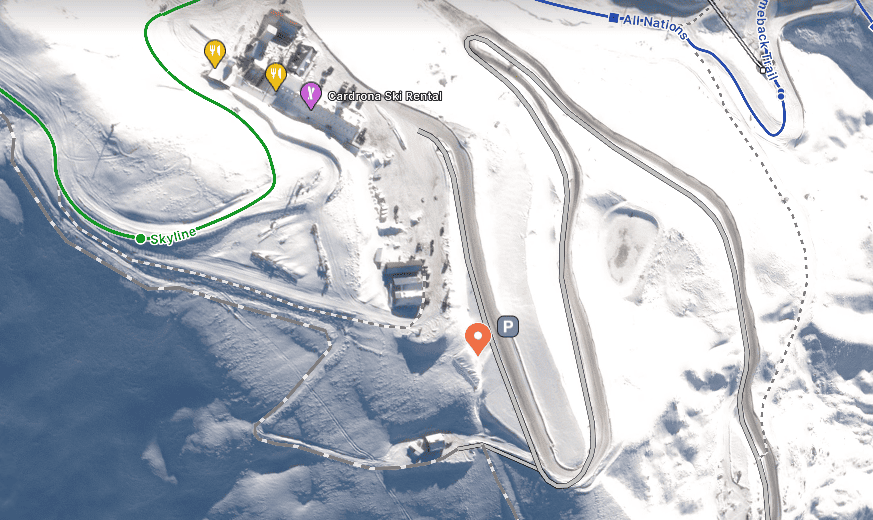
For Cardrona we’ll meet at the junction of Riverbank Road and Cardrona Valley Road at 7:50, the carpark at the bottom of the ski field road at 8:10, or the backcounty access gate on the southern side of carpark B at 8:30 (just past the ‘Soho Basin’ sign).
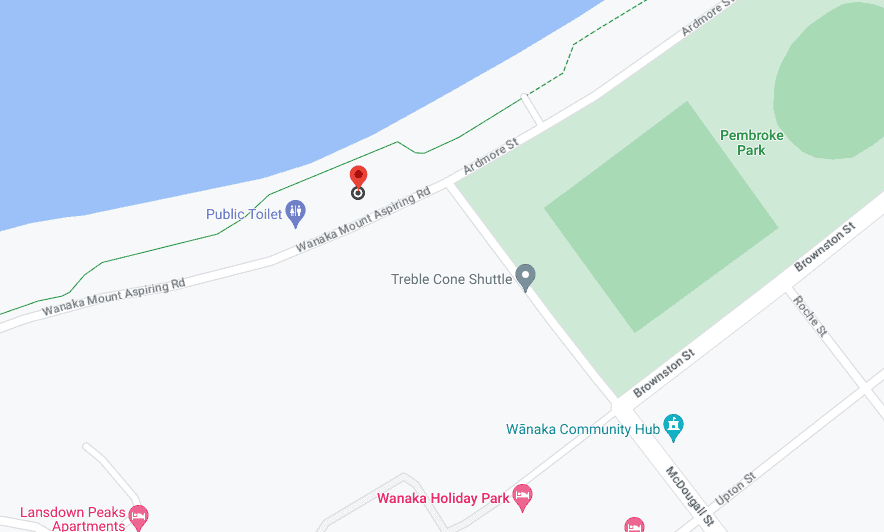
For Treble Cone, we’ll meet at the Lakeside carpark near the end of MacDougall Street at 7:45 or outside the ticket office at 8:30.
Please let us know the most convenient meeting point prior to the day.
Where can I store my luggage during a trip or course?
Secure luggage storage and off-street car parking is available at our office.
Where can I park my car during a trip or course?
If leaving a car for multiple days, there is off-street car parking available at our office.
For day trips we often use popular free car parks and carpooling meeting points around Wanaka.
Where do trips start?
Most of our trips or courses start from our base in Albert Town in Wānaka. If you need accommodation the night before or after a trip or course, we have beds available in our Kea Lodge adjacent to our base. This makes it nice and easy to meet your guide on the first morning of the trip.
If you are staying elsewhere, you can make your own way to our base, arrange for us to pick you up from your accommodation on the morning of the trip, or arrange to meet you elsewhere for Mount Cook or Queenstown trips.
For some trips we may schedule a phone or video call a few days before or a catch-up in person the evening before to run through the plan, any equipment questions and there will be the opportunity for questions.
Meeting for Remarkables Trips
For trips to Remarkables near Queenstown, we can arrange to pick you up from your accommodation in Frankton or meet at the bottom of the Remarkables Ski Field access road. The traffic in and out of central Queenstown can be busy so if staying centrally, we ask you to take the cheap, easy, and frequent public bus out to the Frankton Bus Exchange.
Meeting for Aoraki / Mount Cook Trips and Courses
For trips in the Aoraki / Mount Cook region, it is also possible to arrange to meet your guide there.
Ski and Splitboard Tours and Courses
Where do we meet for ski and splitboard day tours and courses?
For winter day trips we can either arrange to pick you up from your accommodation in town or meet up at our office or one of the carpooling meeting points in Wānaka.
For Cardrona we’ll meet at the junction of Riverbank Road and Cardrona Valley Road at 7:50, the carpark at the bottom of the ski field road at 8:10, or the backcounty access gate on the southern side of carpark B at 8:30 (just past the ‘Soho Basin’ sign).
For Treble Cone, we’ll meet at the Lakeside carpark near the end of MacDougall Street at 7:45 or outside the ticket office at 8:30.
Please let us know the most convenient meeting point prior to the day.
Can I travel to New Zealand with my avalanche airbag?
You should check with your airline concerning travelling with battery-operated airbags. You should be able to have the battery in checked or carry on baggage provided the battery is protected from accidental short circuit and the airbag cannot be inadvertently deployed.
You will not be able to travel with full compressed gas cartridges for airbags and there are no options to get them refilled locally on arrival in New Zealand.
What if the ski field roads or lifts are closed?
We are very used to working around the NZ weather and have lots of options up our sleeves. If Treble Cone is open, we are able to run a successful course there regardless of the weather. If the road or lifts are closed then we can also relocate the course to Cardrona which usually is a bit more protected from the westerlies or another venue.
Do I need a lift ticket for ski touring trips?
Trips and courses run in the Treble Cone backcountry need a lift ticket for access.
If you don’t have a Treble Cone Season or Multi-day ticket, a day touring ticket can brought from the ticket office at the base of the ski field on the day.
Where can I hire a splitboard from?
Limited hire splitboard equipment is available in Wanaka and needs to be arranged in advance.
Equipment can be hired from Wanaka Splitboard Rentals or MT Outdoors in Wanaka, Snowboard Workshop in Queenstown or couriered from SplitN2 in Christchurch.
If hiring snowboard equipment, make sure that you have splitboard crampons as these are required for all splitboard trips.
Meeting for Remarkables Trips
For trips to Remarkables near Queenstown, we can arrange to pick you up from your accommodation in Frankton or meet at the bottom of the Remarkables Ski Field access road. The traffic in and out of central Queenstown can be busy so if staying centrally, we ask you to take the cheap, easy, and frequent public bus out to the Frankton Bus Exchange.
Meeting for Aoraki / Mount Cook Trips and Courses
For trips in the Aoraki / Mount Cook region, it is also possible to arrange to meet your guide there.
Equipment
Can I travel to New Zealand with my avalanche airbag?
You should check with your airline concerning travelling with battery-operated airbags. You should be able to have the battery in checked or carry on baggage provided the battery is protected from accidental short circuit and the airbag cannot be inadvertently deployed.
You will not be able to travel with full compressed gas cartridges for airbags and there are no options to get them refilled locally on arrival in New Zealand.
Where can I hire a splitboard from?
Limited hire splitboard equipment is available in Wanaka and needs to be arranged in advance.
Equipment can be hired from Wanaka Splitboard Rentals or MT Outdoors in Wanaka, Snowboard Workshop in Queenstown or couriered from SplitN2 in Christchurch.
If hiring snowboard equipment, make sure that you have splitboard crampons as these are required for all splitboard trips.
What equipment will I need for my trip or course?
We will email you an equipment list of the required equipment prior to the start of your trip or course.
All required technical and safety equipment for trips and courses is provided though if you have your own, bring it along and let us know.
We also have equipment available for hire including sleeping bags, boots, gaiters, trekking poles and backpacks.
If you have any questions about equipment, please get in touch by email, WhatsApp or phone. Further advice on touring equipment can be found in our Knowledge Base and course resources on our Downloads page.
If you don’t have items on the list, let us know and we can advise if we can provide it or if it can be hired or brought locally.
Weather
What if the ski field roads or lifts are closed?
We are very used to working around the NZ weather and have lots of options up our sleeves. If Treble Cone is open, we are able to run a successful course there regardless of the weather. If the road or lifts are closed then we can also relocate the course to Cardrona which usually is a bit more protected from the westerlies or another venue.
You will not be able to travel with full compressed gas cartridges for airbags and there are no options to get them refilled locally on arrival in New Zealand.
What if the weather is bad for my trip?
New Zealand’s mountain weather is highly maritime influenced and it is possible to experience unsettled periods of weather that may affect the itinerary or objectives of a trip. If this is the case, your guide will be able to suggest alternative venues or activities.
Travelling to Wanaka
I am by travelling by myself, can I join a group trip or course?
We can run private trips on request and schedule group courses and tours weekly during winter.
Group tours require minimum numbers to be confirmed. Until a course is confirmed, you have the option to top-up to a private rate, reschedule to other scheduled dates, or cancel and receive a refund of your deposit.
This allows us to keep our pricing fair and reasonable.
How do I get to Wānaka from Queenstown Airport?
There is a small domestic airport in Wānaka and the closest international airport is in Queenstown, which is 1 to 1.5 hours drive away.
The most cost-effective transfers from Queenstown airport to Wanaka are offered by Ritchies with regular bus shuttles.
Private transfers are available through Wānaka Transfers or Yello.
What do I need to do before travelling to New Zealand
Check whether travelers from your country of citizenship require a New Zealand Electronic Travel Authority (NZeTA) to enter New Zealand. The processing time for an NZeTA may take up to 72 hours and is valid for 2 years.
All travellers to New Zealand will also need to complete a Traveler Declaration which can be done online or via the app. The earliest you can submit your declaration is 24 hours before you start your trip to New Zealand.
New Zealand has strict bio-security laws so if in doubt declare any sporting goods or outdoor footwear in the Traveler Declaration for inspection at the boarder. If you have cleaned any boots prior to leaving home are clean from mud and seeds.
Also make sure that you are not bringing any food into the country as your baggage will be X-rayed. If they find anything that you haven’t declared, you will be fined. If in doubt, declare it.
Terms and Conditions
What if I need to cancel my trip?
Our services do not include insurance for your personal circumstances that may prevent you from carrying out a booked trip (including but not limited to travel, injury, medical and family emergencies).
In the event that you need to cancel your trip, we reserve a right to charge a cancellation fee (see Terms and Conditions. We highly recommend purchasing travel cancellation insurance in case you have to cancel your trip at short notice for unforeseen circumstances. Please contact your travel agent or insurance company for more information on this.
For Australian and New Zealand residents the New Zealand Alpine Club offers good value trip trip cancellation insurance.
What mountain rescue or insurance is required for mountaineering in New Zealand?
If you are injured during a mountaineering trip in New Zealand the Accident Compensation Corporation (ACC) will cover the costs of evacuation, medical treatment, and rehabilitation. ACC coverage applies to all visitors to New Zealand. ACC does not cover you in case of illness. ACC does not cover you for loss or damage to personal belongings, and if you need to be repatriated to your home country in the case of a serious accident in the mountains. For New Zealand and Australian citizens, we recommend insurance organised through the New Zealand Alpine Club
Accommodation
What accommodation is available in Wānaka?
We have accommodation available at our Kea Lodge in Albert Town, which is adjacent to our base and starting point for trips. There is a small supermarket, cafe, pub and takeaway within 10 minutes walk offering a range of food options. and a variety of walking and biking trails to explore.
Alternatively there are various options for accommodation in central Wānaka to suit all budgets. Websites such as Booking.com provide an easy platform to see what options are available. For standard motel style rooms, there is the Bella Vista or Wanaka Hotel. For more boutique-style accommodation, you can try Te Wanaka Lodge. All of these options are central so they have easy access to the shops and restaurants.
What accommodation is provided during a trip?
Accommodation in mountain huts, camping or our Kea Lodge is included in most trip costs.
If you return to Wānaka during a trip, you can usually stay at Kea Lodge or you can arrange to stay elsewhere according to your preferences.
Ascents
How hard is it to climb Mount Cook?
The difficulty of Aoraki / Mount Cook is often underestimated due to its modest height by international standards. Attempting a guided climb requires a proven track record of technical climbing, crampon and ice axe use.
The summit day involves over 1700m of ascent and descent including a number of mixed climbing pitches. A good fitness benchmark is being able to ascend 1000m in 3 hours and trek up to 20km in a day over rough ground with a 15kg pack.
The route is also subject to serious crevasse, avalanche, and icefall hazards. The exposure to objective hazards requires guides and clients to be able to move quickly and efficiently through steep and difficult terrain. The duration of the climb means that climbers need to have experience managing fatigue, sustenance, and maintaining focus on long mountain days.
How hard is it to climb Mount Aspiring?
A guided ascent of Mount Aspiring is achievable for most people with some experience off-track trekking over rough ground and a moderate level of fitness.
Training in all the technical skills required to safely undertake an ascent via the Ramp can be covered prior to the ascent. For those wishing to gain more mountaineering experience, the trip can be extended for a few days to include further instruction in preparation for the ascent.
Good fitness is required to climb Mount Aspiring. We recommend a fitness benchmark of being able to ascend 1000m in 3 hours and trek up to 20km in a day over rough ground with a 15kg pack. After the summit day, the walk-out involves another 1500m+ of descent down technical terrain and a 20km walk out down the valley with full packs (10 – 15kg).
For more advice on training for Mount Aspiring, check out our Knowledge Base article, Essential Training for Mount Aspiring.
Logistics
Where do we meet for ski and splitboard day tours and courses?
For winter day trips we can either arrange to pick you up from your accommodation in town or meet up at our office or one of the carpooling meeting points in Wānaka.
For Cardrona we’ll meet at the junction of Riverbank Road and Cardrona Valley Road at 7:50, the carpark at the bottom of the ski field road at 8:10, or the backcounty access gate on the southern side of carpark B at 8:30 (just past the ‘Soho Basin’ sign).
For Treble Cone, we’ll meet at the Lakeside carpark near the end of MacDougall Street at 7:45 or outside the ticket office at 8:30.
Please let us know the most convenient meeting point prior to the day.
Where can I store my luggage during a trip or course?
Secure luggage storage and off-street car parking is available at our office.
Where can I park my car during a trip or course?
If leaving a car for multiple days, there is off-street car parking available at our office.
For day trips we often use popular free car parks and carpooling meeting points around Wanaka.
Where do trips start?
Most of our trips or courses start from our base in Albert Town in Wānaka. If you need accommodation the night before or after a trip or course, we have beds available in our Kea Lodge adjacent to our base. This makes it nice and easy to meet your guide on the first morning of the trip.
If you are staying elsewhere, you can make your own way to our base, arrange for us to pick you up from your accommodation on the morning of the trip, or arrange to meet you elsewhere for Mount Cook or Queenstown trips.
For some trips we may schedule a phone or video call a few days before or a catch-up in person the evening before to run through the plan, any equipment questions and there will be the opportunity for questions.
Meeting for Remarkables Trips
For trips to Remarkables near Queenstown, we can arrange to pick you up from your accommodation in Frankton or meet at the bottom of the Remarkables Ski Field access road. The traffic in and out of central Queenstown can be busy so if staying centrally, we ask you to take the cheap, easy, and frequent public bus out to the Frankton Bus Exchange.
Meeting for Aoraki / Mount Cook Trips and Courses
For trips in the Aoraki / Mount Cook region, it is also possible to arrange to meet your guide there.
Ski and Splitboard Tours and Courses
Where do we meet for ski and splitboard day tours and courses?
For winter day trips we can either arrange to pick you up from your accommodation in town or meet up at our office or one of the carpooling meeting points in Wānaka.
For Cardrona we’ll meet at the junction of Riverbank Road and Cardrona Valley Road at 7:50, the carpark at the bottom of the ski field road at 8:10, or the backcounty access gate on the southern side of carpark B at 8:30 (just past the ‘Soho Basin’ sign).
For Treble Cone, we’ll meet at the Lakeside carpark near the end of MacDougall Street at 7:45 or outside the ticket office at 8:30.
Please let us know the most convenient meeting point prior to the day.
Can I travel to New Zealand with my avalanche airbag?
You should check with your airline concerning travelling with battery-operated airbags. You should be able to have the battery in checked or carry on baggage provided the battery is protected from accidental short circuit and the airbag cannot be inadvertently deployed.
You will not be able to travel with full compressed gas cartridges for airbags and there are no options to get them refilled locally on arrival in New Zealand.
What if the ski field roads or lifts are closed?
We are very used to working around the NZ weather and have lots of options up our sleeves. If Treble Cone is open, we are able to run a successful course there regardless of the weather. If the road or lifts are closed then we can also relocate the course to Cardrona which usually is a bit more protected from the westerlies or another venue.
Do I need a lift ticket for ski touring trips?
Trips and courses run in the Treble Cone backcountry need a lift ticket for access.
If you don’t have a Treble Cone Season or Multi-day ticket, a day touring ticket can brought from the ticket office at the base of the ski field on the day.
Where can I hire a splitboard from?
Limited hire splitboard equipment is available in Wanaka and needs to be arranged in advance.
Equipment can be hired from Wanaka Splitboard Rentals or MT Outdoors in Wanaka, Snowboard Workshop in Queenstown or couriered from SplitN2 in Christchurch.
If hiring snowboard equipment, make sure that you have splitboard crampons as these are required for all splitboard trips.
Meeting for Remarkables Trips
For trips to Remarkables near Queenstown, we can arrange to pick you up from your accommodation in Frankton or meet at the bottom of the Remarkables Ski Field access road. The traffic in and out of central Queenstown can be busy so if staying centrally, we ask you to take the cheap, easy, and frequent public bus out to the Frankton Bus Exchange.
Meeting for Aoraki / Mount Cook Trips and Courses
For trips in the Aoraki / Mount Cook region, it is also possible to arrange to meet your guide there.
Equipment
Can I travel to New Zealand with my avalanche airbag?
You should check with your airline concerning travelling with battery-operated airbags. You should be able to have the battery in checked or carry on baggage provided the battery is protected from accidental short circuit and the airbag cannot be inadvertently deployed.
You will not be able to travel with full compressed gas cartridges for airbags and there are no options to get them refilled locally on arrival in New Zealand.
Where can I hire a splitboard from?
Limited hire splitboard equipment is available in Wanaka and needs to be arranged in advance.
Equipment can be hired from Wanaka Splitboard Rentals or MT Outdoors in Wanaka, Snowboard Workshop in Queenstown or couriered from SplitN2 in Christchurch.
If hiring snowboard equipment, make sure that you have splitboard crampons as these are required for all splitboard trips.
What equipment will I need for my trip or course?
We will email you an equipment list of the required equipment prior to the start of your trip or course.
All required technical and safety equipment for trips and courses is provided though if you have your own, bring it along and let us know.
We also have equipment available for hire including sleeping bags, boots, gaiters, trekking poles and backpacks.
If you have any questions about equipment, please get in touch by email, WhatsApp or phone. Further advice on touring equipment can be found in our Knowledge Base and course resources on our Downloads page.
If you don’t have items on the list, let us know and we can advise if we can provide it or if it can be hired or brought locally.
Weather
What if the ski field roads or lifts are closed?
We are very used to working around the NZ weather and have lots of options up our sleeves. If Treble Cone is open, we are able to run a successful course there regardless of the weather. If the road or lifts are closed then we can also relocate the course to Cardrona which usually is a bit more protected from the westerlies or another venue.
You will not be able to travel with full compressed gas cartridges for airbags and there are no options to get them refilled locally on arrival in New Zealand.
What if the weather is bad for my trip?
New Zealand’s mountain weather is highly maritime influenced and it is possible to experience unsettled periods of weather that may affect the itinerary or objectives of a trip. If this is the case, your guide will be able to suggest alternative venues or activities.
Travelling to Wanaka
I am by travelling by myself, can I join a group trip or course?
We can run private trips on request and schedule group courses and tours weekly during winter.
Group tours require minimum numbers to be confirmed. Until a course is confirmed, you have the option to top-up to a private rate, reschedule to other scheduled dates, or cancel and receive a refund of your deposit.
This allows us to keep our pricing fair and reasonable.
How do I get to Wānaka from Queenstown Airport?
There is a small domestic airport in Wānaka and the closest international airport is in Queenstown, which is 1 to 1.5 hours drive away.
The most cost-effective transfers from Queenstown airport to Wanaka are offered by Ritchies with regular bus shuttles.
Private transfers are available through Wānaka Transfers or Yello.
What do I need to do before travelling to New Zealand
Check whether travelers from your country of citizenship require a New Zealand Electronic Travel Authority (NZeTA) to enter New Zealand. The processing time for an NZeTA may take up to 72 hours and is valid for 2 years.
All travellers to New Zealand will also need to complete a Traveler Declaration which can be done online or via the app. The earliest you can submit your declaration is 24 hours before you start your trip to New Zealand.
New Zealand has strict bio-security laws so if in doubt declare any sporting goods or outdoor footwear in the Traveler Declaration for inspection at the boarder. If you have cleaned any boots prior to leaving home are clean from mud and seeds.
Also make sure that you are not bringing any food into the country as your baggage will be X-rayed. If they find anything that you haven’t declared, you will be fined. If in doubt, declare it.
Terms and Conditions
What if I need to cancel my trip?
Our services do not include insurance for your personal circumstances that may prevent you from carrying out a booked trip (including but not limited to travel, injury, medical and family emergencies).
In the event that you need to cancel your trip, we reserve a right to charge a cancellation fee (see Terms and Conditions. We highly recommend purchasing travel cancellation insurance in case you have to cancel your trip at short notice for unforeseen circumstances. Please contact your travel agent or insurance company for more information on this.
For Australian and New Zealand residents the New Zealand Alpine Club offers good value trip trip cancellation insurance.
What mountain rescue or insurance is required for mountaineering in New Zealand?
If you are injured during a mountaineering trip in New Zealand the Accident Compensation Corporation (ACC) will cover the costs of evacuation, medical treatment, and rehabilitation. ACC coverage applies to all visitors to New Zealand. ACC does not cover you in case of illness. ACC does not cover you for loss or damage to personal belongings, and if you need to be repatriated to your home country in the case of a serious accident in the mountains. For New Zealand and Australian citizens, we recommend insurance organised through the New Zealand Alpine Club