How to Choose the Right New Zealand Mountaineering Course: A Guide to Skills Progression
It can be challenging to figure out where to begin, so we offer a variety of courses suitable for all levels of experience. Taking a series of courses can help aspiring mountaineers develop the skills and confidence needed to tackle more challenging objectives in the mountains of New Zealand and beyond. After completing a course, it’s recommended to spend time consolidating your skills and seeking mentorship from more experienced individuals before looking at the next step in the apprenticeship.
Mountaineering Skills Progression

Our Mountain Skills Courses empower aspiring mountaineers to design a personalised training pathway tailored to their experience and goals.
Every mountaineer's journey is unique, which is why we've designed a progression that puts you in control. Whether you're just starting out or looking to sharpen your technical edge, our flexible training pathway adapts to your goals and previous experience. The diagram below illustrates how you can build from fundamental techniques up to complex alpine objectives, navigating from Foundation skills into intermediate specializations and eventually advanced application. Take a look at the full landscape of our offerings and start mapping out your next move.
From our years of our guides' experience delivering instruction from beginners to professional mountaineers, we've developed a three-stage journey from beginner to expert mountaineer. Underpinning every stage is a foundation of consolidation and mentorship. Whilst taking professional courses provides an opportunity to gain the latest skills and guidance, the real growth happens when you get out there and practice between levels.
1. Foundation Courses
Your journey begins with broad, essential, and fundamental mountain skills. These courses are designed to give you the tools needed to begin to move safely through the mountains on foot or on ski or Splitboard throughout the year. Whilst there is overlap in these basic skills, each one is focused on different terrain and conditions.
2. Specialist Courses (Intermediate)
Once you have the basics, you can branch out into technical niches based on your specific goals. This allows mountains to focus on specialist skills in the most conducive learning environment, to then be able to apply them on bigger objectives in the high mountains. This is a more targeted approach than generic intermediate mountain courses that revise many of the foundational skills.
3. Advanced Courses
The final tier represents the pinnacle of the training pathway: the Advanced Mountaineering Course. This is where your foundational knowledge and technical specialities converge, preparing you for the most challenging alpine objectives.
Foundation Courses
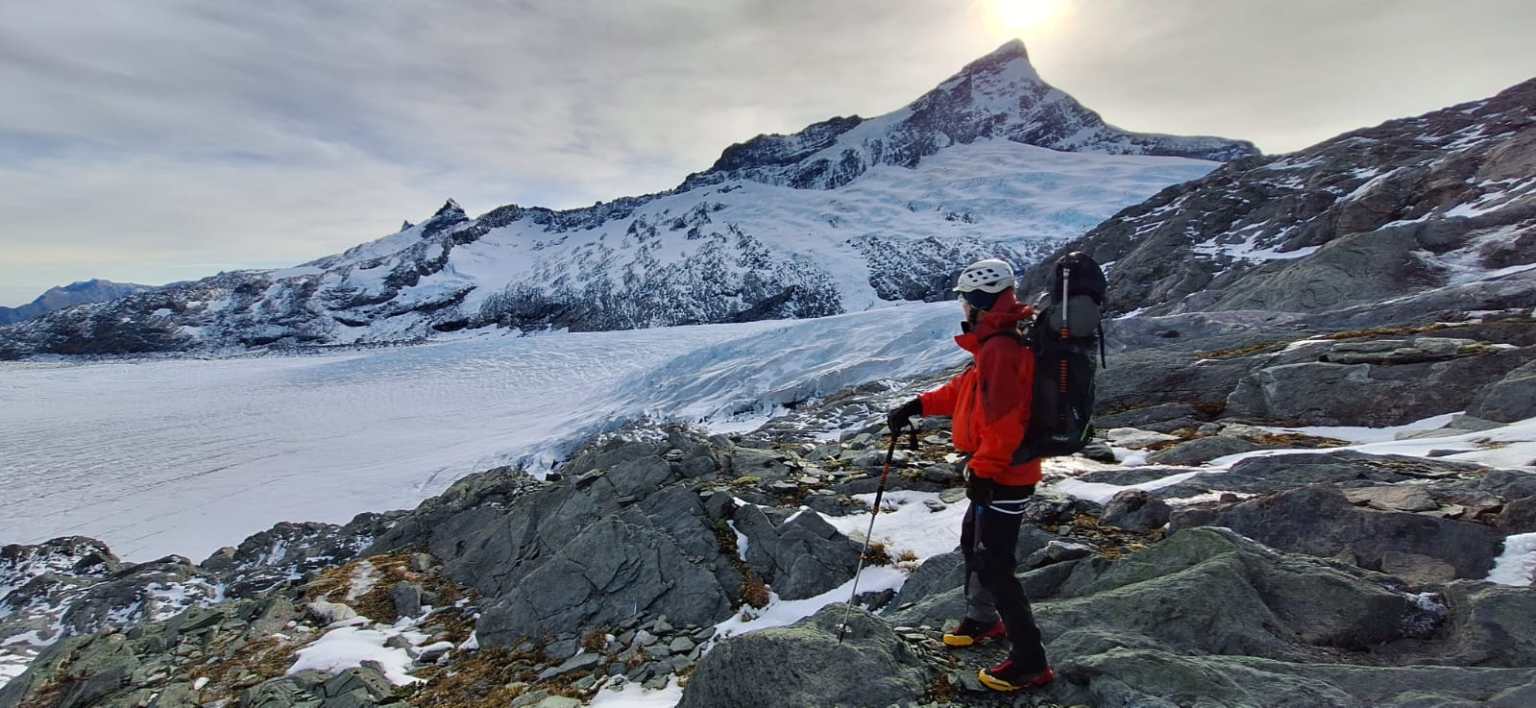
We offer 3 foundational courses to get started building skills and knowledge and depending on your future goals. A little familiarity with knots and belaying will set you up to get the most out of the ropework aspects of these courses. This can easily be gained with a few sessions at a local climbing gym or with a local rock climbing instructor

Summer Mountaineering Course
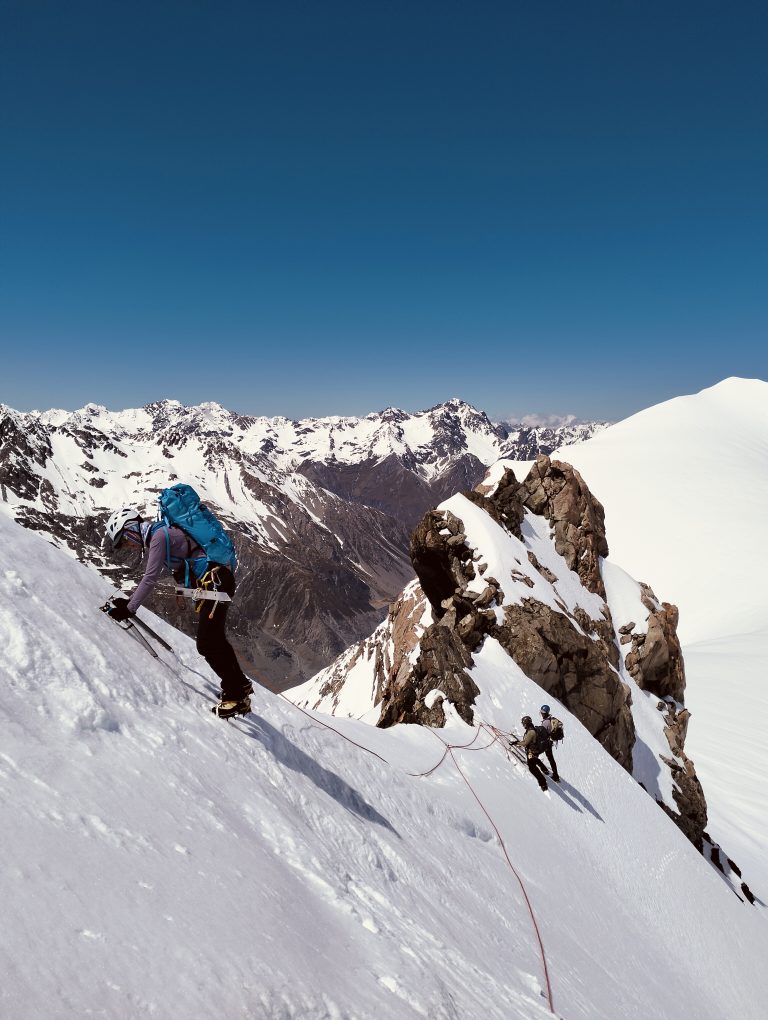
The Summer Mountaineering Course is the benchmark intensive course for New Zealand mountaineering and covers all the skills required to confidently tackle your own mountain adventures. The course comprehensively covers skills including snowcraft and crampon and ice axe use, glacier travel and crevasse rescue, trip planning, weather and avalanche awareness, snow and ice climbing, protection, and anchors, equipment selection, route planning and navigation. These courses are scheduled from November to April and are usually based from high alpine huts in the Aoraki Mount Cook region.
Best for those wanting a comprehensive 'all-rounder' start in New Zealand's glaciated mountains. Both for independent climbing or in preparation for future technical guided ascents such as Tititea / Mount Aspiring and Aoraki / Mount Cook.

Ski Mountaineering Course
The Ski Mountaineering Course is for those with aspirations for ascents and ski or splitboard descents of New Zealand’s high peaks. The course introduces and develops the skills to undertake classic ski mountaineering objectives and glacier travel. For those with some ski or splitboard touring experience, this is an excellent step up into bigger mountain objectives. These courses are scheduled during August – October in the Aoraki Mount Cook or Westland regions.
Best for backcountry skiers and splitboarders wanting to access high-alpine terrain and achieve ski accessed ascents and descents of New Zealand's highest peaks.

Winter Mountaineering Course
The Winter Mountaineering Course is based in the Remarkables mountain range near Queenstown. This is a popular venue for year-round mountaineering with easy access via the ski field. Running during July, August and September, these courses focus on snowcraft and winter mountaineering skills, including ice and mixed climbing. and avalanche awarness. Without helicopter access, these make a cost-effective option for getting started with snowcraft and mountain skills.
Best for ambitious trekkers and climbers on a budget looking to gain technical snow and ice craft skills.
Specialist Courses

If you have already completed a mountaineering course and have applied those skills on some of your own adventures, our specialist courses are the next step in your mountaineering journey. These courses focus on specific technical skills at a time, allowing you to choose the courses that align with your mountain goals, at your own pace and according to your budget. Breaking down the complex topic of mountaineering into smaller, manageable chunks can help you build knowledge and understanding of the environment and the application of systems. This learning process can happen alongside gaining practical experience on increasingly challenging objectives.
Avalanche Skills Course
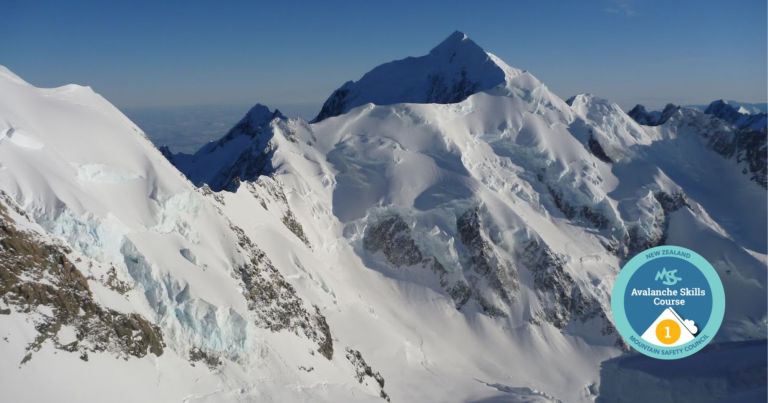
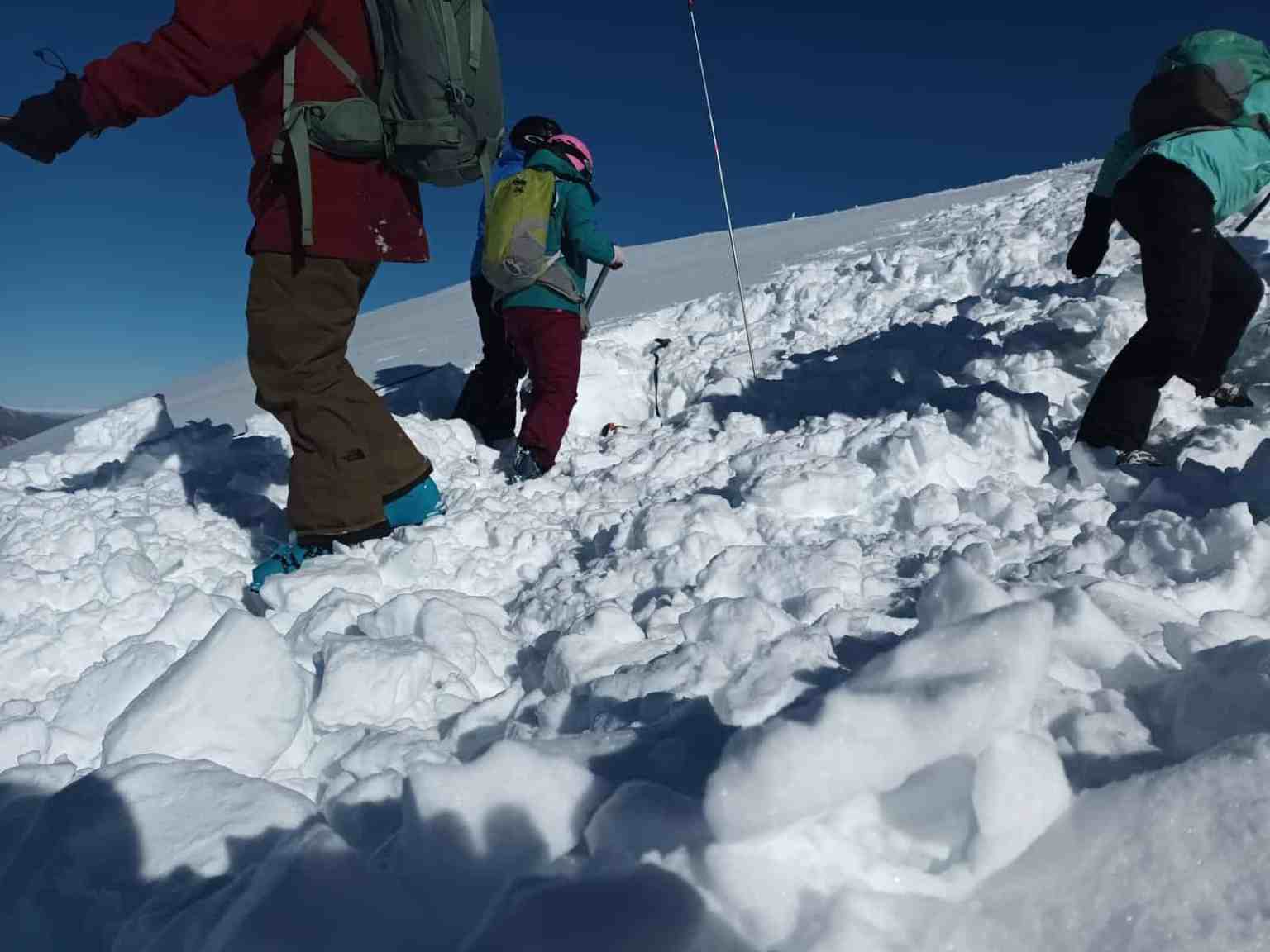
The Avalanche Skills Course for Mountaineers is the first step in a lifelong journey of understanding and staying safe from avalanches. The course, with a focus on foot-based travel, introduces an awareness of how the terrain and weather can affect the stability of the snowpack and how climbers can gather and interpret information about the weather and snowpack to plan and safely carry trips in the New Zealand mountains.
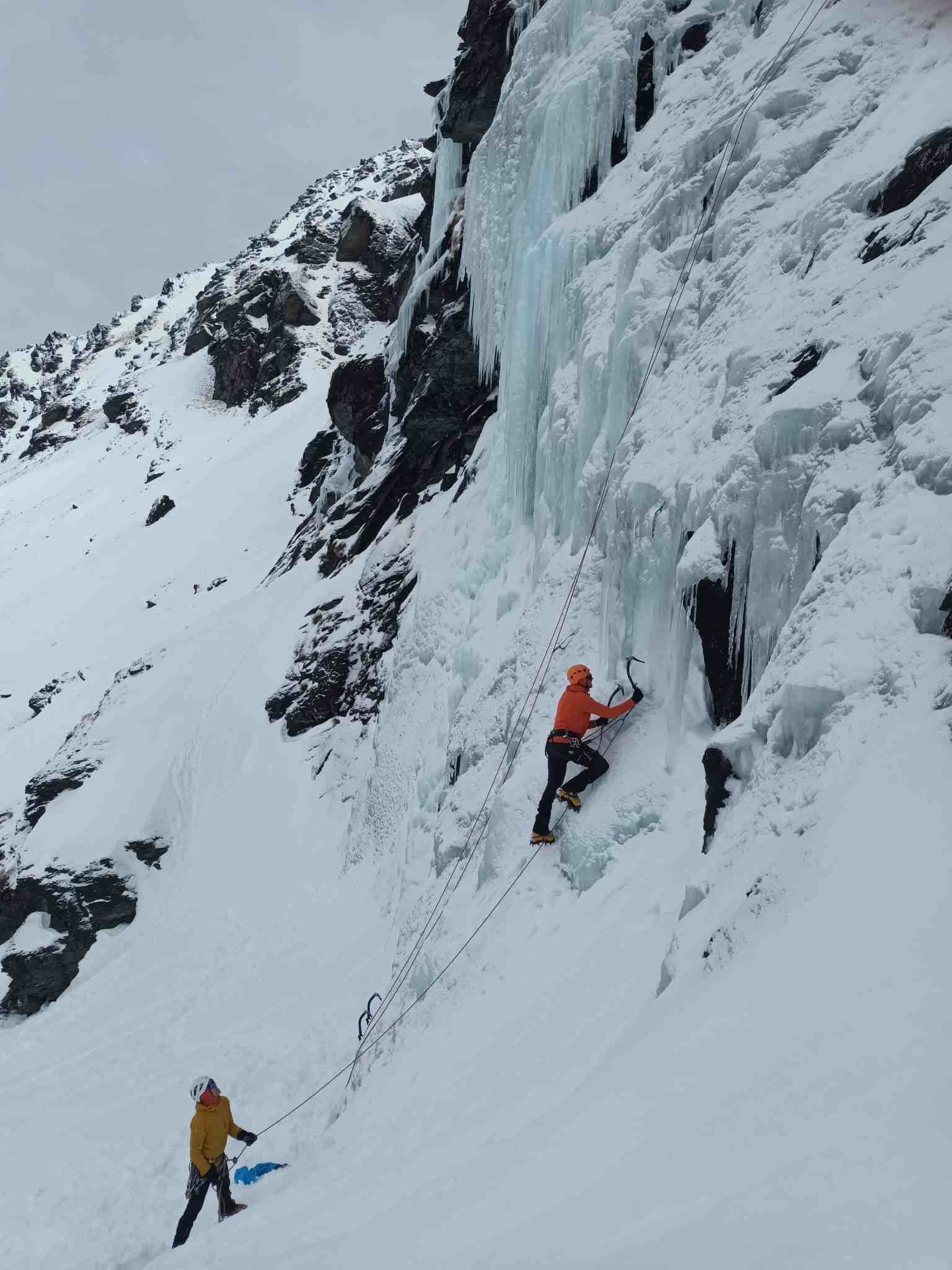
Ice Climbing Course
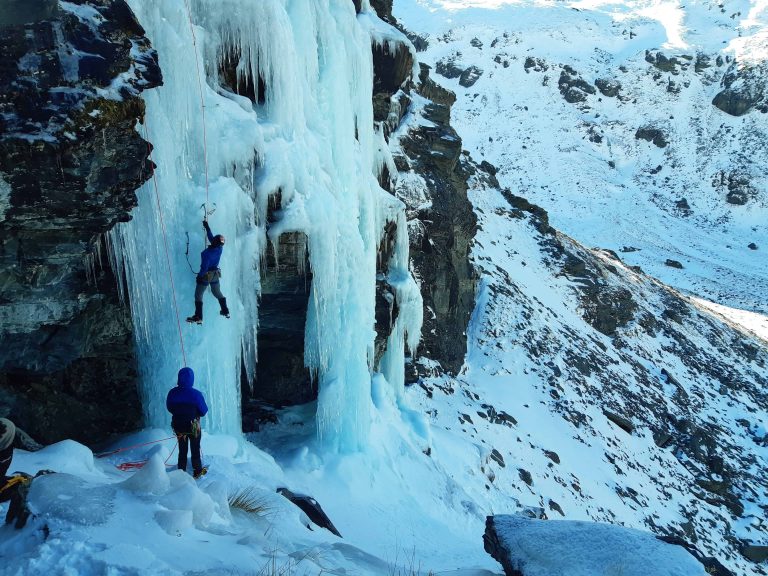
The Ice Climbing Course is based at the upper crags and cirque of the South Branch of Wye Creek. The area provides one of New Zealand’s most accessible and varied winter climbing venues. Satisfying the criteria of altitude, drainage, and cold aspect gives this area reliability for good ice formation during the coldest periods of winter. Develop your ice climbing skills with expert instruction so that you can then apply skills on water and alpine ice objectives in the high mountains
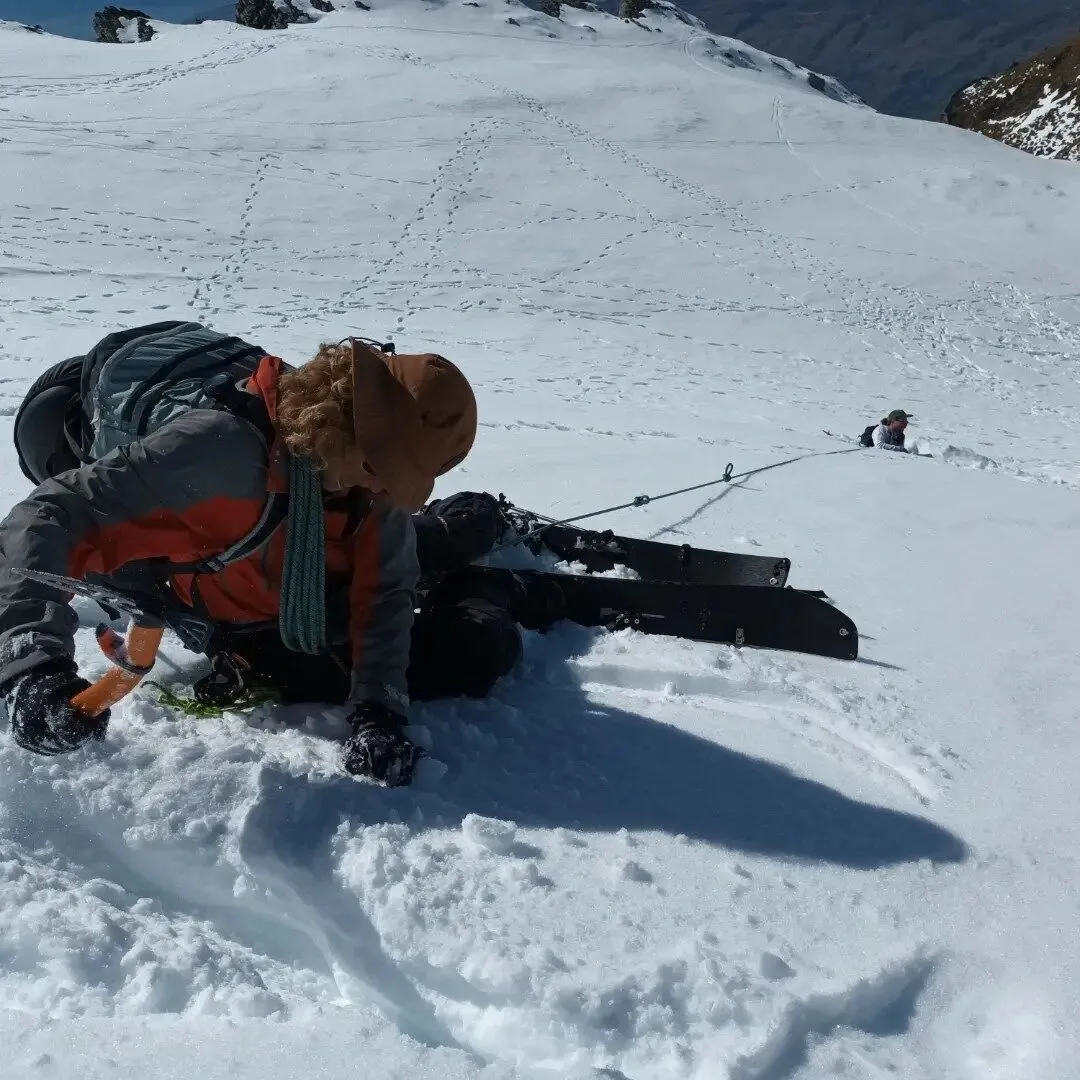
Glacier Travel and Crevasse Rescue Course
The short local Glacier Travel and Crevasse Rescue Course prepares mountaineers and trampers for carrying out travel over glaciers. It covers all the alpine skills required for spring or summer mountain missions. A customised refresher is also available for those who have covered these skills previously before embarking on a season’s adventuring.
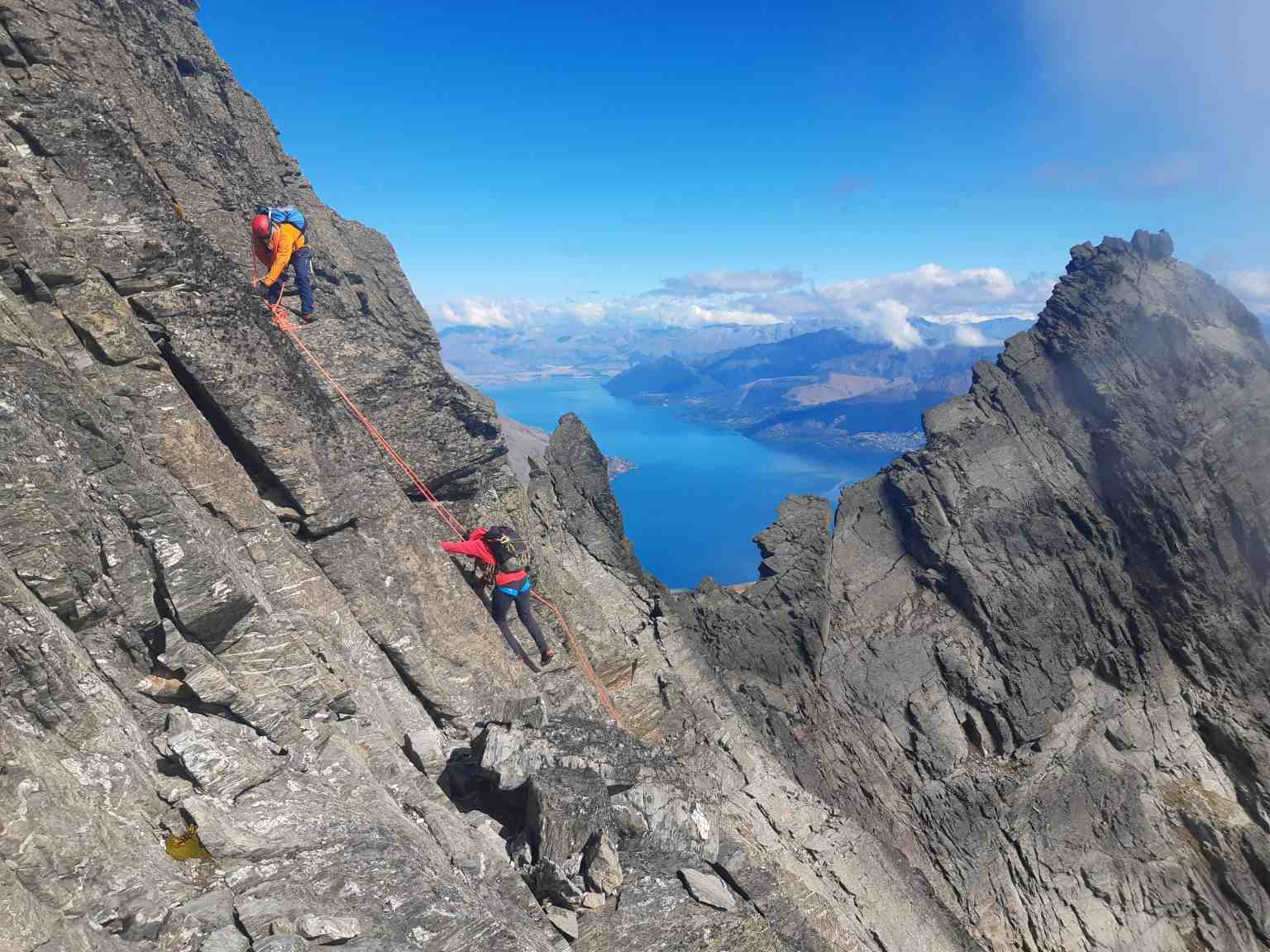
Alpine Rock Climbing Course
The Alpine Rock Climbing Course covers the skills to increase your speed and safety on your own alpine rock climbing objectives and be able to plan and manage mountain routes, avoid potential issues, and problem-solve the most common emergency situations. Courses are run on the crags of Wanaka with day or overnight trips to the alpine rock of the Remarkables mountains near Queenstown.
Advanced Courses
If you have acquired and honed the specialist skills above, and have undergone a period of consolidation and mentorship, you might be ready for an advanced alpine climbing course. This will allow you to advance your alpine climbing skills for bigger and more challenging objectives.
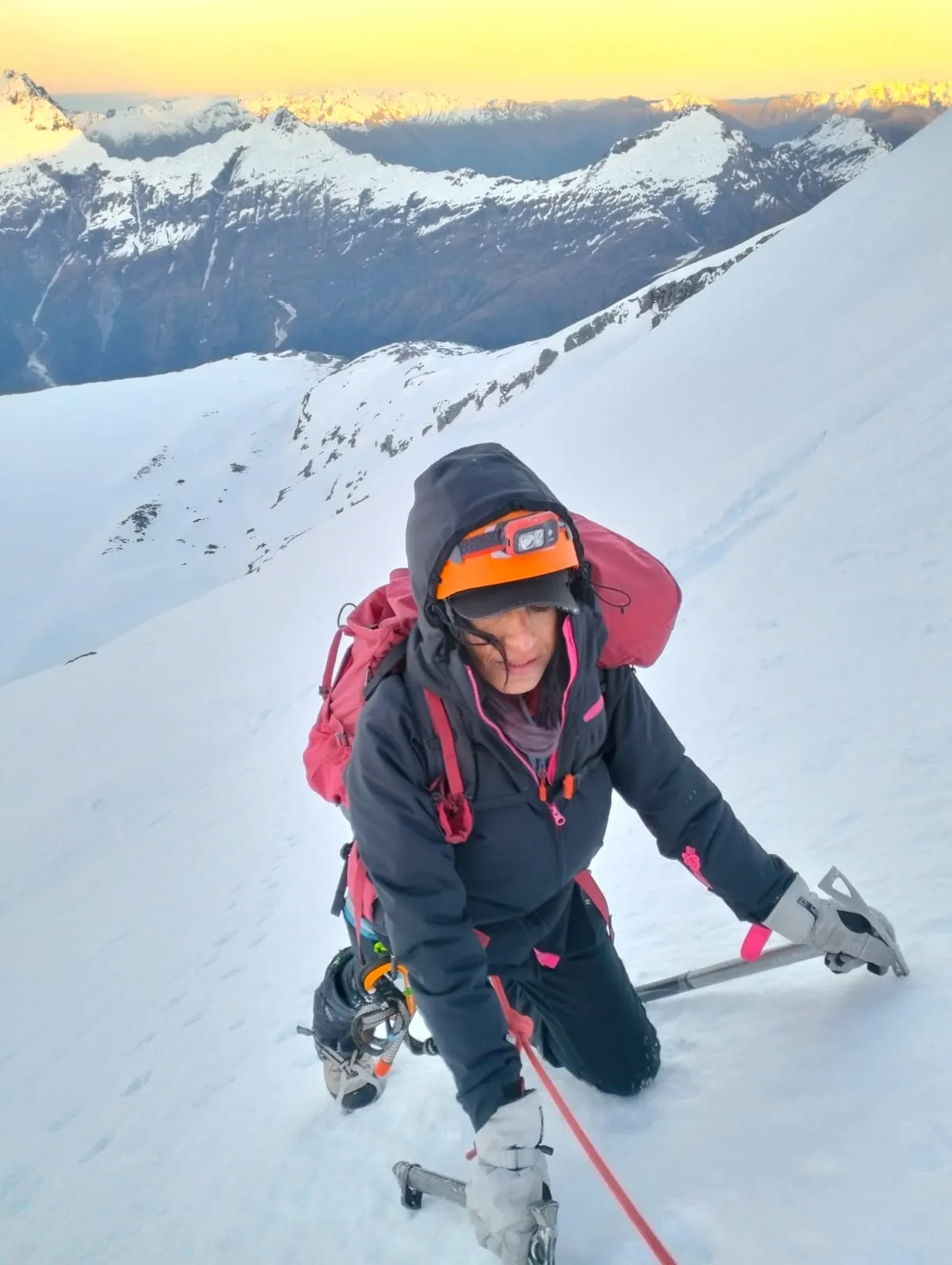
Advanced Mountaineering Course
At the Advanced level, the best outcomes are achieved in small groups, ideally with existing climbing partnerships or those you intend to climb with in the future. This is the focus of the Advanced Mountaineering Course where teams get to apply their skills under the guidance of their instructor on actual objectives in the high mountains.
Ideal for existing climbing partnerships looking to gain the confidence to undertake more challenging ascents in New Zealand and overseas.
Technical Ropes Skills Course
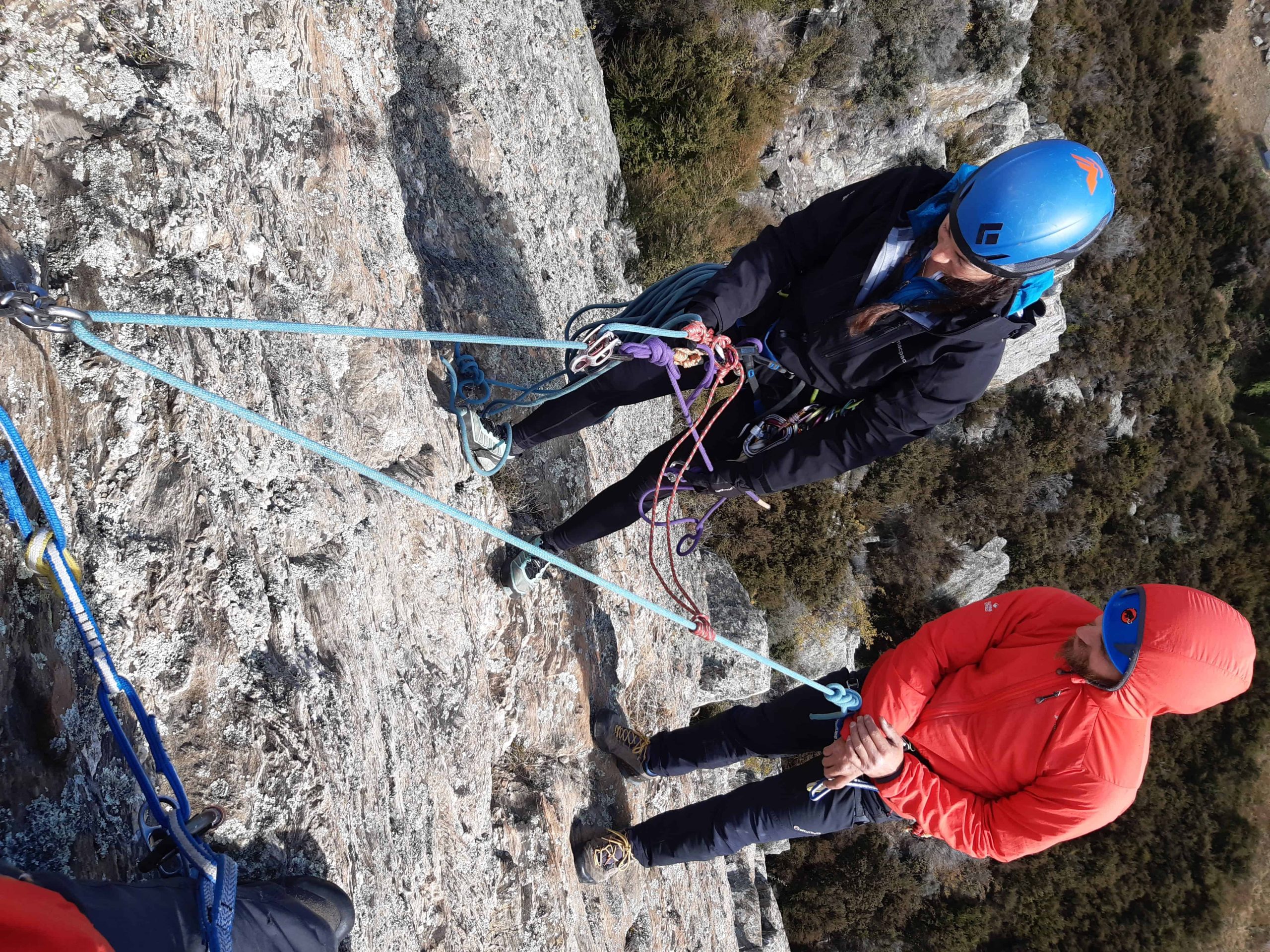
The local Technical Rope Skills Course develops your rope and rescue skills to grow your confidence rock climbing and in the mountains. The topics covered will increase your speed and efficiency on your own alpine rock, multi-pitch, and mountaineering objectives and provide self-sufficiency to problem solve and handle any emergency rescue situations that may arise.
Bring your rope work efficiency to the next level.
Which time of year is best?
Spring
Conditions in the mountains vary throughout the summer season so there is value in courses all throughout the year.
Typically during spring (November – December) there is more snow and the glaciers are well filled in with snow so, although courses still cover crevasse rescue and glacier travel skills, actual travel around the glaciers generally be straightforward. This also means that courses have more opportunity to practice snow climbing skills. Despite this time of year being the season for New Zealand’s classic snow ascents, it is generally the least settled for weather with the possibility or storms and new snow.
Summer
During the middle of summer (January and February) the days are longer, warmer, and the weather generally settled, The seasonal winter snow is melting off the glaciers providing more opportunities for glacier ice climbing, practising route finding through more complex glacier terrain and some alpine rock climbing.
Towards the end of the summer season (March or April), courses will have a similar focus to mid-summer courses though there is the possibility of new snow to fill in crevasses, cooler temperatures and shorter days. It can also be a great time of year for light for photography.
So to some extent, choosing the time of year for a course depends on future goals in the mountains. Whether that’s classic snow ascents such as the Minarets or Lendenfeld, or mixed or alpine rock scrambles or climbs such as the classics in the Darrans, Malte Brun, or Tititea / Mount Aspiring.
Not sure which course matches your experience? Get in touch with us. Detailing your experience and goals will help us give you the best advice on your unique pathway.