
Preparing for Trekking in New Zealand
Huts
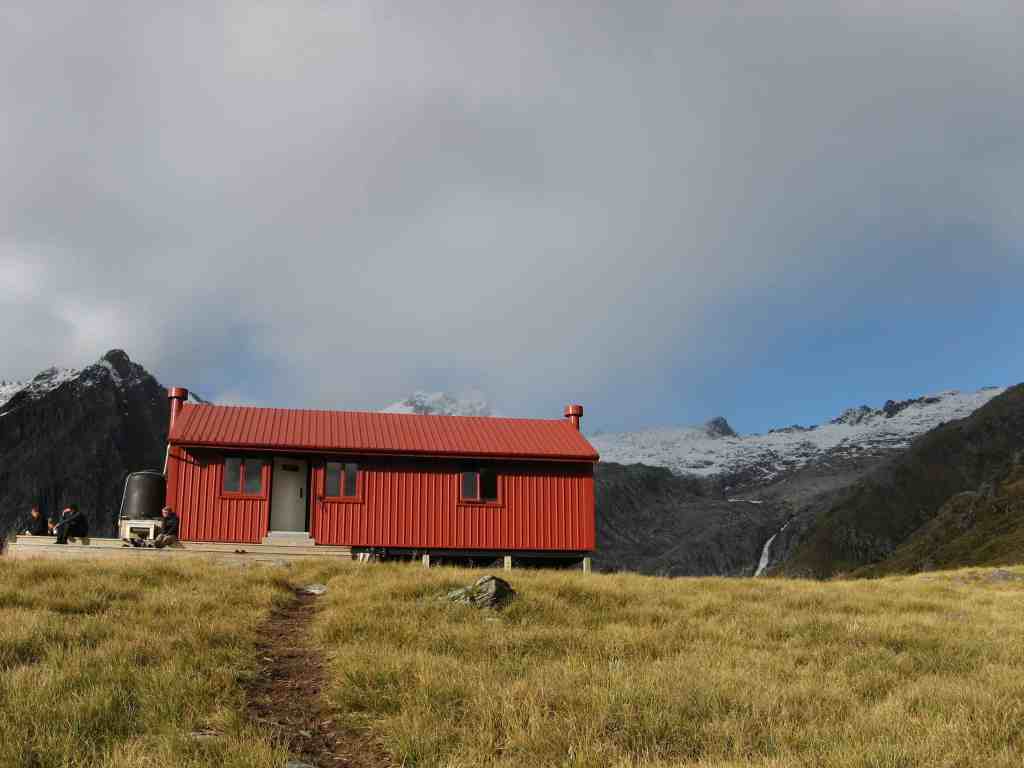
The highlight New Zealand has a fantastic network of Department of Conservation backcountry huts. Most of these are relatively basic with cooking benches and alpine bunks with mattresses.
Everyone has to contribute to keeping the facility clean and tidy. Leave wet or muddy boots in the vestibule. Hut shoes or slippers are great to change into after a day on the trail.
Be mindful of noise levels, especially once it gets dark. If you are sharing the hut with mountaineers, then then might be on a different schedule.
Be considerate of other hut users and share common areas respectfully. You can minimise the disruption to other users by leaving your backpack in the kitchen areas or vestibule. Late at night or early in the morning, you can do all your rustling and re-packing in those spaces.
At the end of your stay, sweep the floors, wipe down surfaces, and pack out ALL your rubbish. If everyone leaves it slightly cleaner than you found it, our huts will be well looked after.

Cooking
Most unserviced huts do not have stoves so will require you to carry your own lightweight stove, fuel, cooking pot, and utensils.
Only cook on the designated cooking benches that are often stainless steel for durability. Refuel liquid fuels stove outside> Never leave stoves unattended.
Sanitise your hands after visiting the bathroom and before preparing food for others.
Water
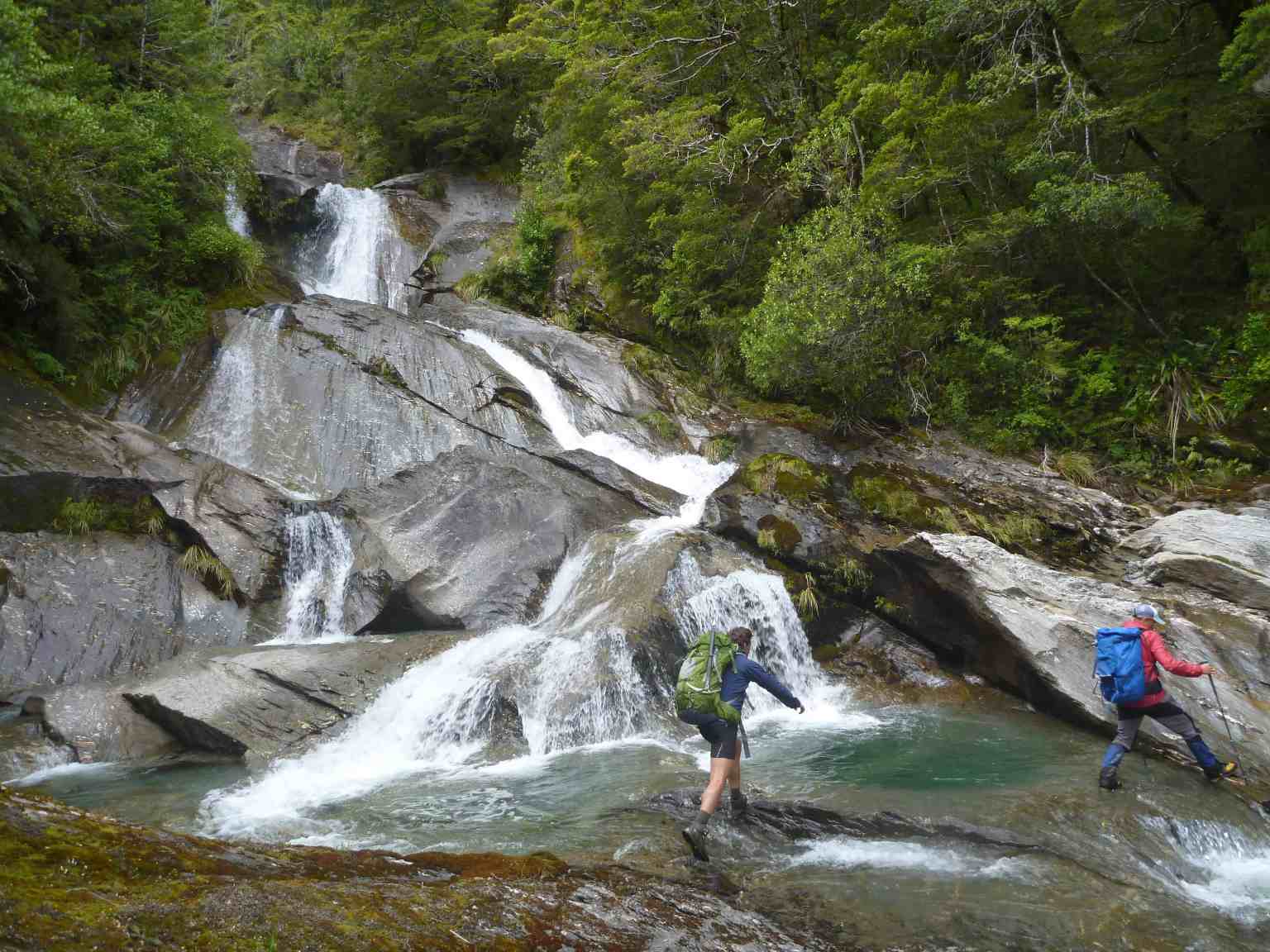
On most treks, there is a plentiful supply of drinking water from streams and rivers. You don’t need to carry much. If your routes cross an alpine pass you may need to carry a little bit more water. Many Kiwi trampers just have a cup handy and snatch a quick drink from any passing side streams. It doesn’t get much purer that than.
Most huts are supplied by rain water, which there is usually enough of in New Zealand. This resource can get stretched at dry and busy times of the summer. Under these circumstance please conserve the water supply.
Packing
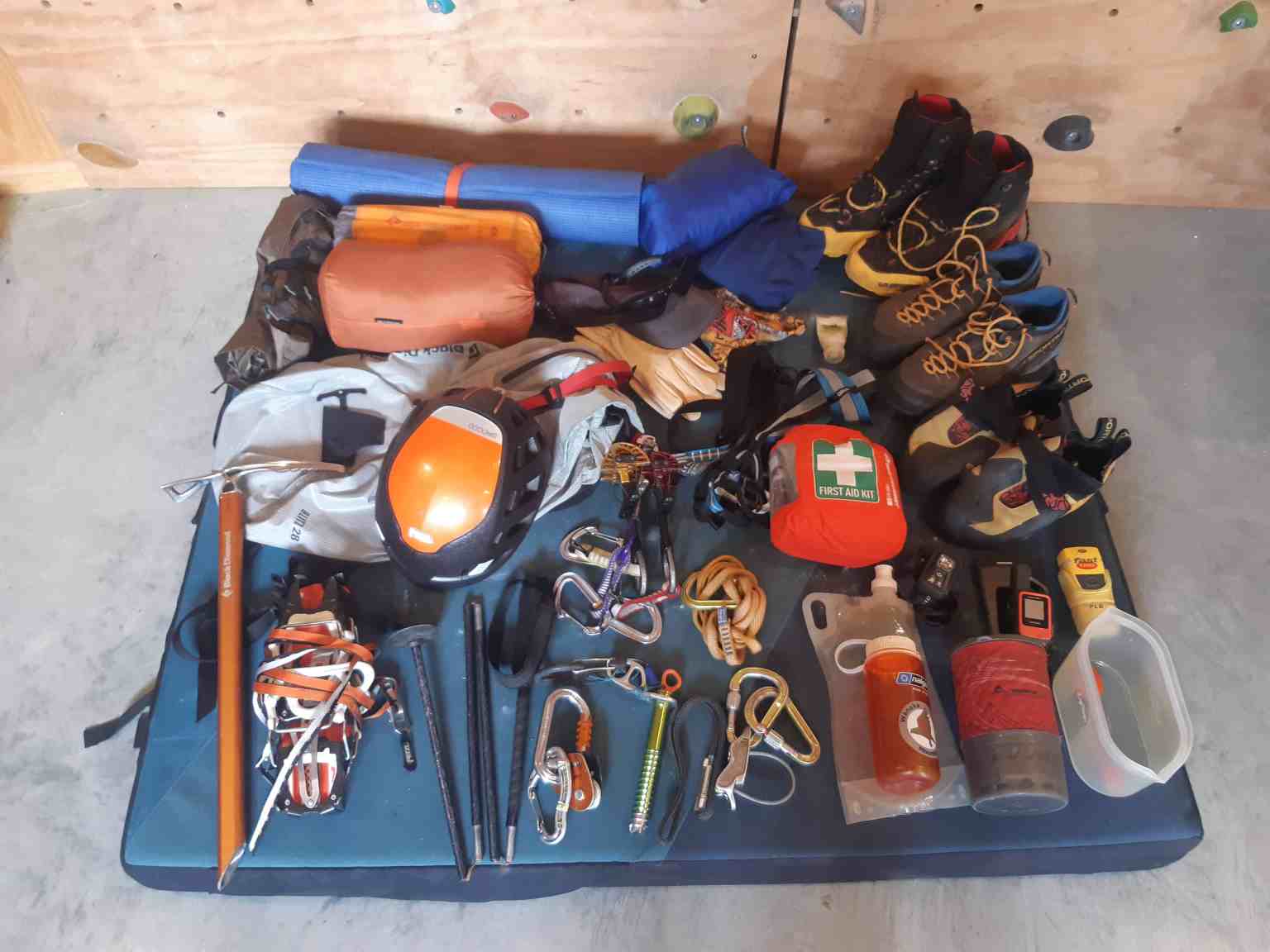
Prioritise lightweight and versatile gear. In New Zealand you have to be prepared for all weathers. Under blue skies, be aware of the strong sun.
A wide brimmed hat and lightweight long sleeved tops are great for protection.
If trails have unbridged stream and river crossings, your boots may get and stay wet during the trek. Lightweight and quick drying boots are therefore more comfortable than heavy or leather boots that take longer to dry out. If it just an occasional crossing hut Crocs or slippers may also work as river crossing shoes for protection.
Trekking in New Zealand’s unique and stunning landscapes can be a rewarding experience. Make sure you are prepared and have done enough planning to understand the weather, logistical and equipment considerations so that you can enjoy a safe and successful trip.