
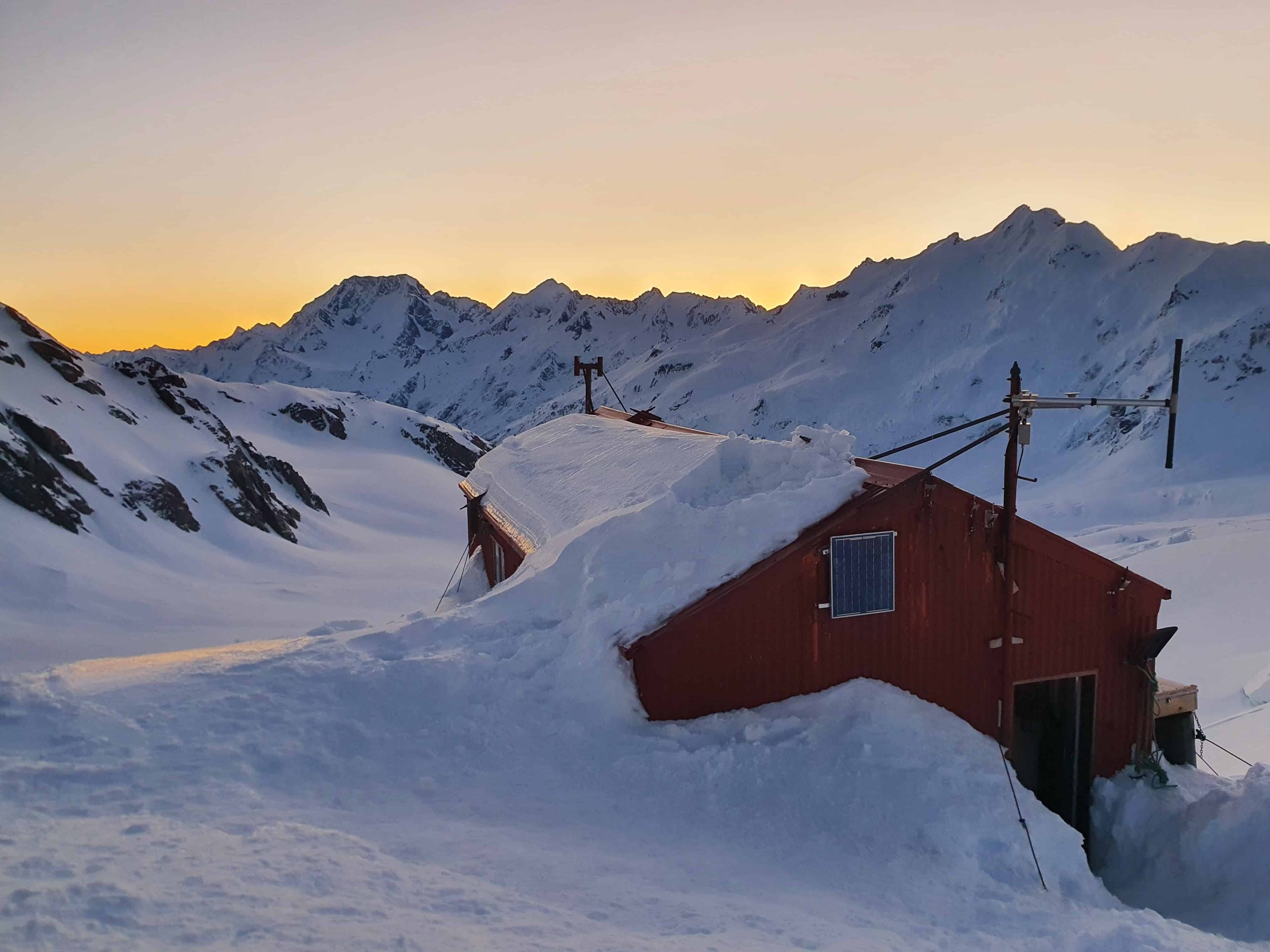
Classic New Zealand Peaks
New Zealand offers a variety of classic peaks and a lifetime of mountaineering adventures. The Southern Alps / Ka Tiritiri o te Moana has 24 peaks above 3000m. The range is renowned for high glaciation and relief. Height is an arbitrary measure of the technical or aesthetic appeal of a mountain, and all these summits provide excellent objectives. Some are easily accessible from high mountain huts and others require a longer time and effort commitment.
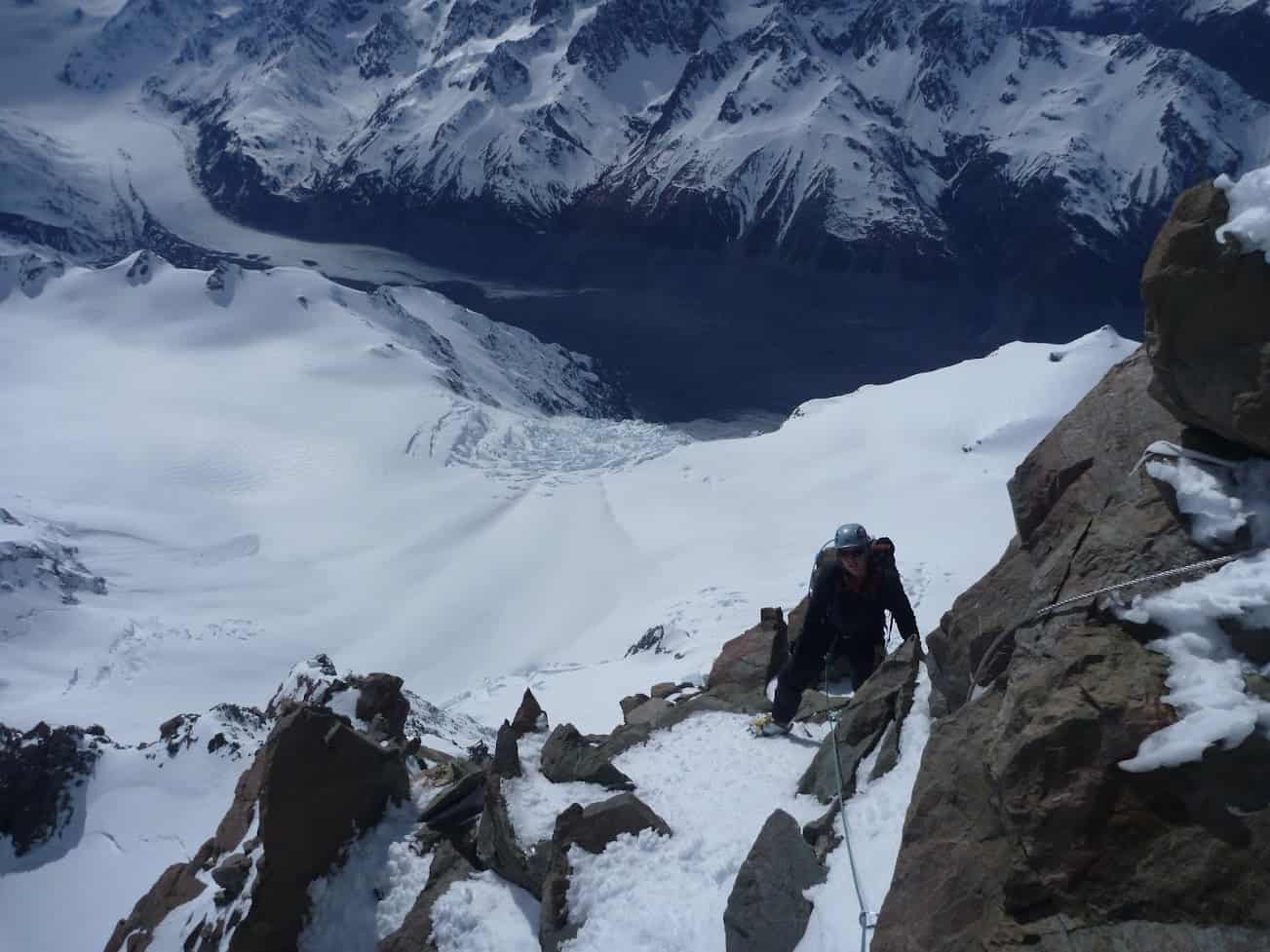
Aoraki / Mount Cook (3724m)
The highest summit in New Zealand is an aspired to prize for many. The Linda Glacier route is a long and serious outing requiring excellent movement and fitness. The crux is mixed climbing through the Summit Rocks. A return from Plateau Hut on the Grand Plateau can take between 15 and 24 hours.
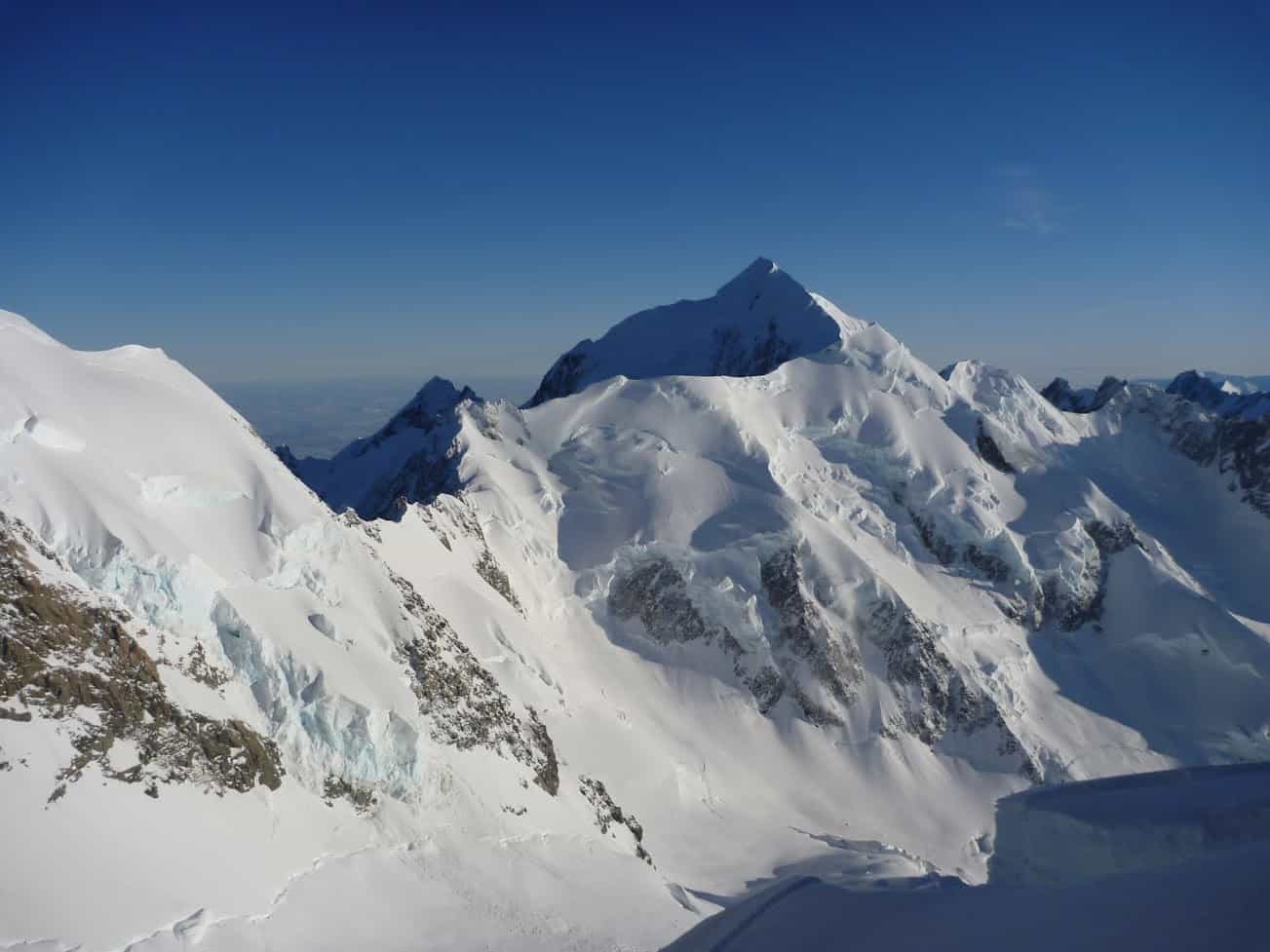
Horokoau / Mount Tasman (3497m)
The second highest summit of the Southern Alps, the North Shoulder is a long route, usually accessed from the Pioneer Hut on the Fox Glacier. The route traverses the Main Divide from Marcel Col including up and over Lendenfeld Peak. In recent years an ice cliff has formed above Engineer Col that affects access.
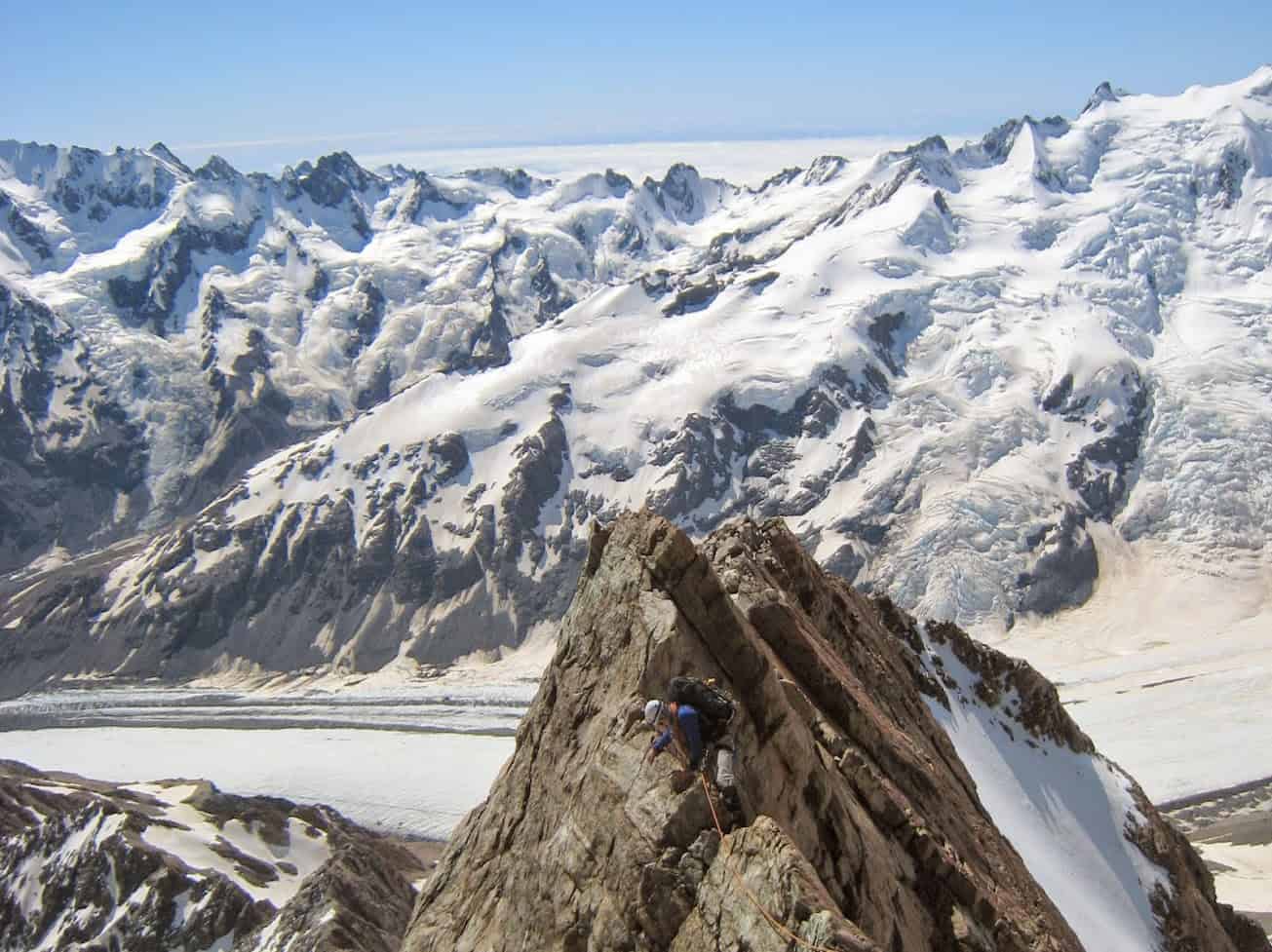
Malte Brun (3198m)
The famous West Ridge is gained from a camp on the upper Bonney Glacier during mid to late season. The route provides a long ridge climb with the highlight of the exposed cheval section.
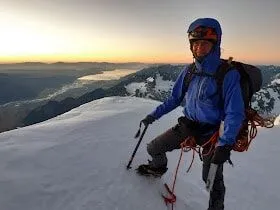
Maukatua / Mount Sefton (3151m)
Maukatua / Mount Sefton is a magnificent climb high on the main divide. Prominent from Mount Cook village, the standard ascent is via the West Ridge or the long North Ridge are long and remote journeys. The western side of the main divide is a remote area with no shelter until you reach the valley floor. This requires parties to move fast and light and have confidence in a stable weather forecast.
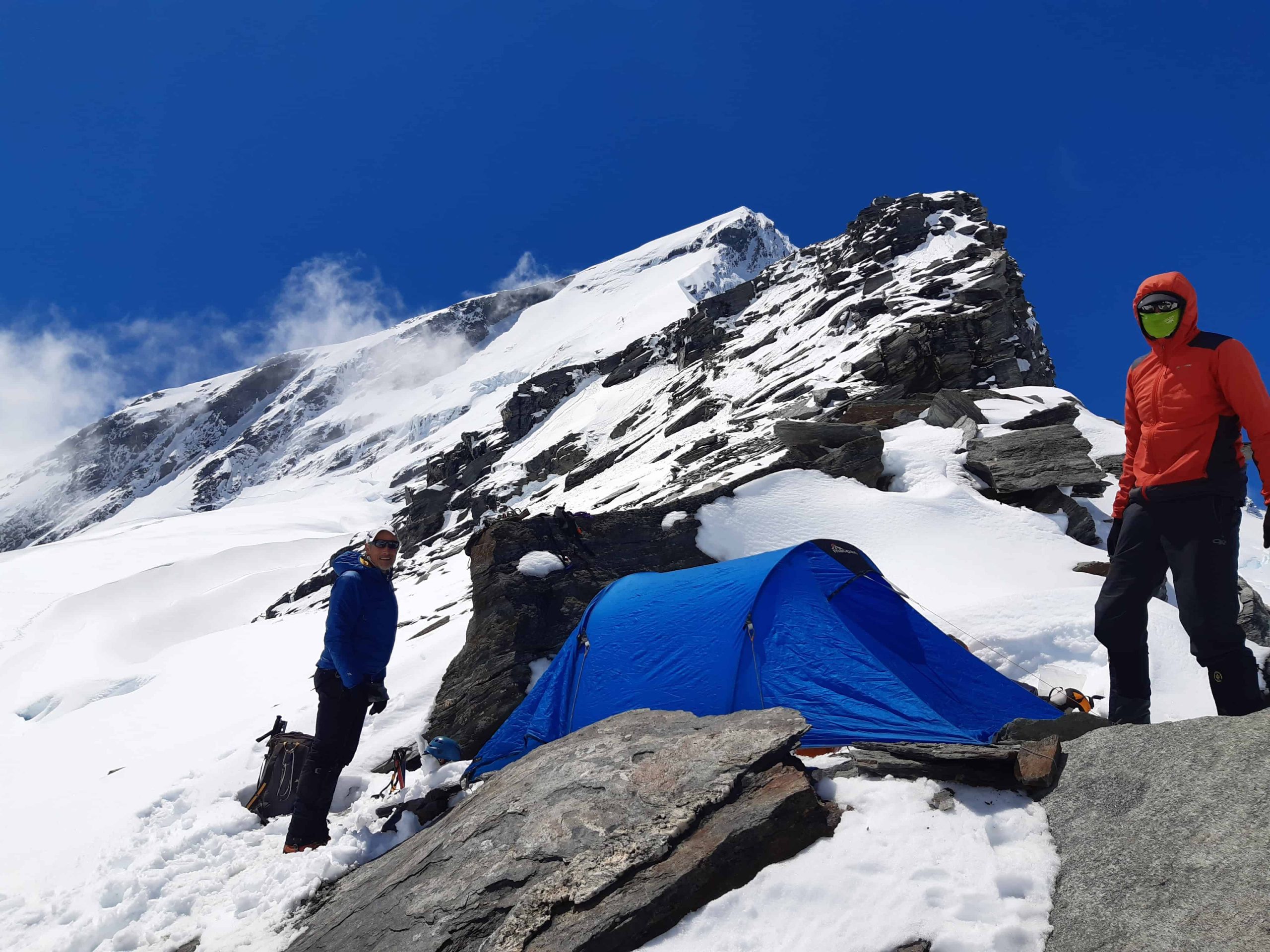
Tititea / Mount Aspiring (3033m)
Tititea / Mount Aspiring (3033m) is one of the Southern Alps / Ka Tiritiri o te Moana most aesthetic and classic peaks. The only 3000m peak outside of the Aoraki/Mount Cook and Westland National Parks, and its prominence makes it visible from many areas around Lake Wanaka. It offers multiple classic routes and is a popular alpine climb and many aspiring mountaineers first 3000m summit from a base at Colin Todd or French Ridge Huts.
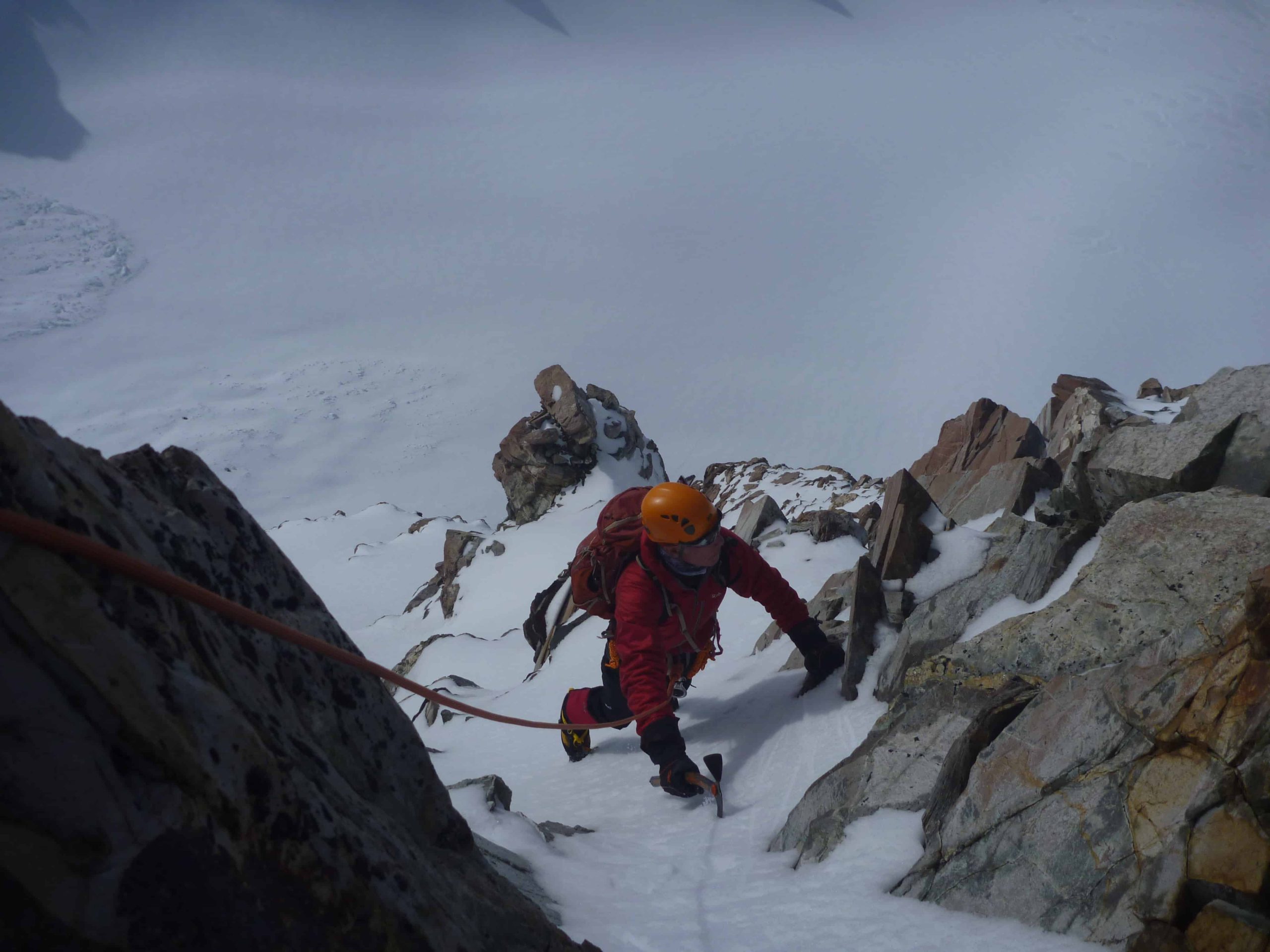
Mount Dixon (3019m)
Mount Dixon is an easily accessible 3000m peak that is less than one hour walk from Plateau Hut. The classic East Ridge provides the standard ascent route at about grade 2. The classic South Ridge is a longer and harder alternative with steep snow climbing, interesting mixed gully and ridge climbing and provides a satisfying traverse with a descent of the East Ridge.
Lendenfeld Peak (3192m)
Accessed from Pioneer Hut on the Fox Glacier. The standard route ascends to Marcel Col on the Main Divide requiring a few snow pitches to the summit. The Hamilton Berry rib provides a more challenging ascent with excellent rock climbing and a mixed ridge.
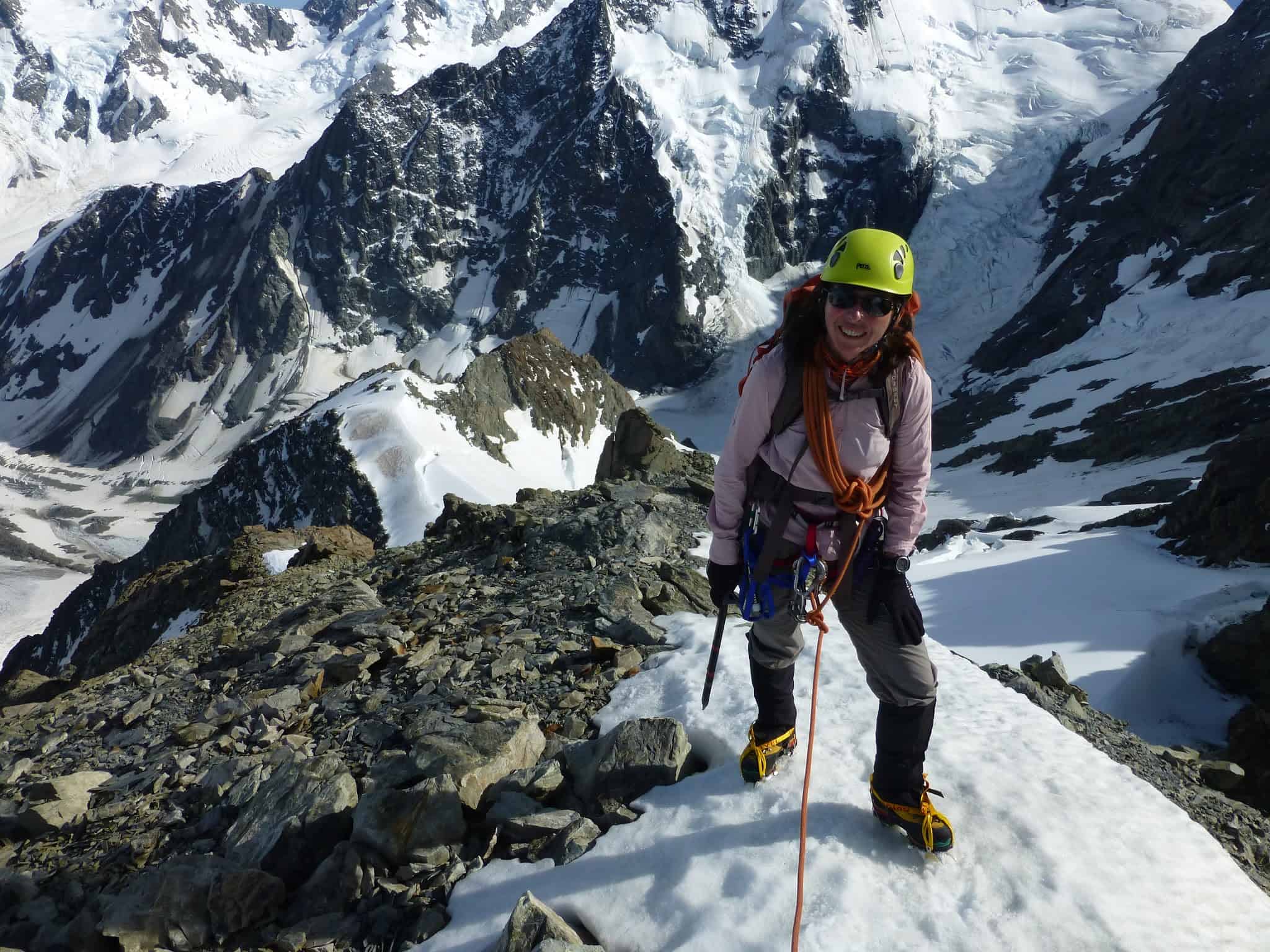
Mount Hamilton (3025m)
In the Malte Brun range between the Haupapa / Tasman and Murchison glaciers, Mount Hamilton is a less traveled but excellent first 3000m peak from a base camp on the Darwin Glacier.
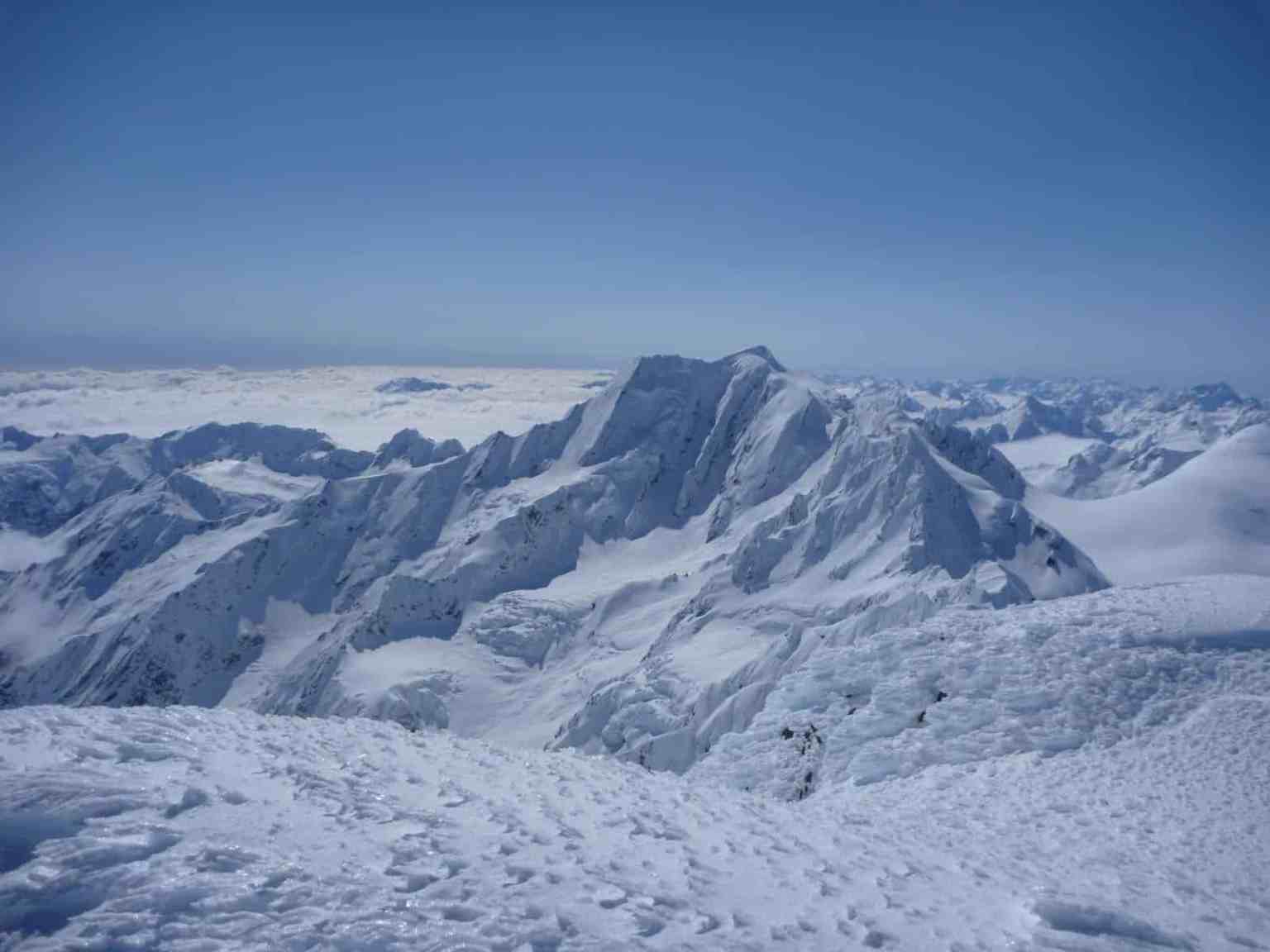
Elie Du Beaumont (3109m)
The northern-most 3000m peak in the Southern Alps, it is also accessed from Tasman Saddle Hut. The route is a popular ski but the crevasses of the Anna Glacier can get cut off later in the season.
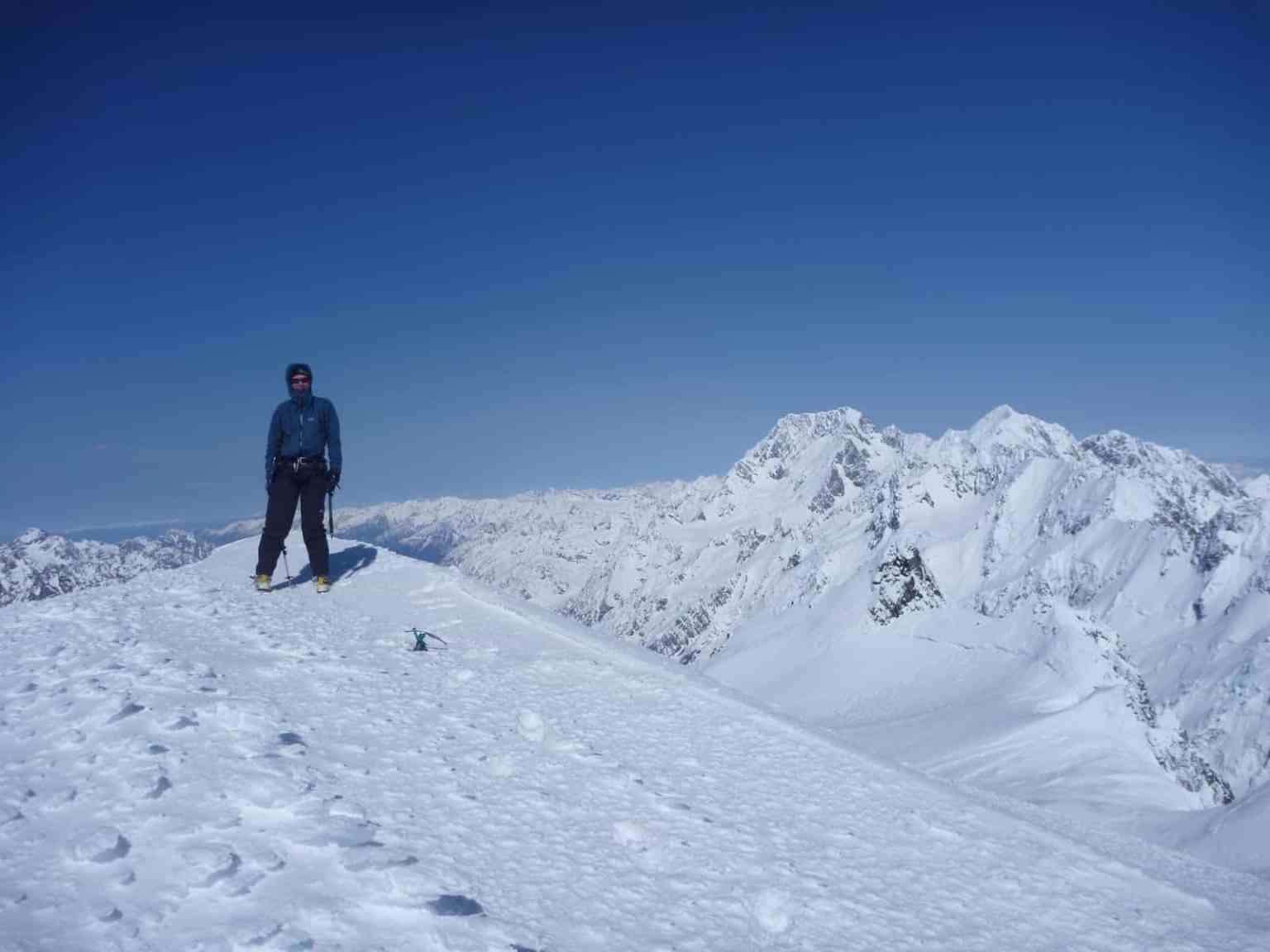
The Minarets (3031m)
The twin peaks of the Minarets are climbed from Centennial Hut on the Franz Josef Glacier / Ka Roimata o Hine Hukatere. The West Face offers a steep but straightforward ascent and is an excellent first 3000m summit. High on the main divide, views extend from Elie Du Beaumont to Aoraki / Mount Cook.
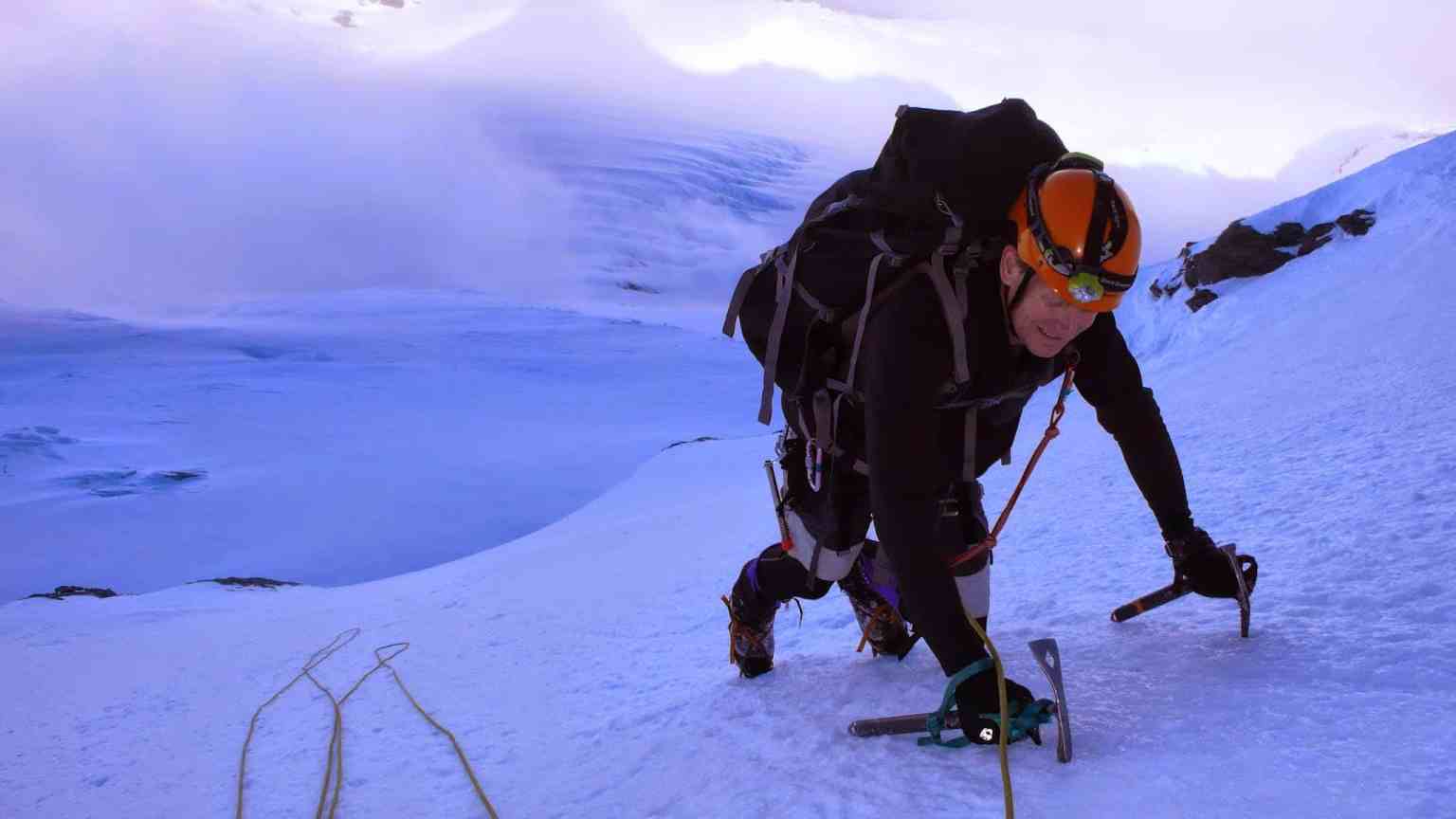
Douglas Peak (3077m)
The South Face of Douglas Peak is one of the Southern Alps most aspired to alpine ice climbs. Based out of Pioneer Hut the peak is one of the most dominant peaks of the Fox Glacier / Te Moeka o Tuawe. The route has a crux of water ice grade 3 and is either descended by abseil or by traversing over the peak.
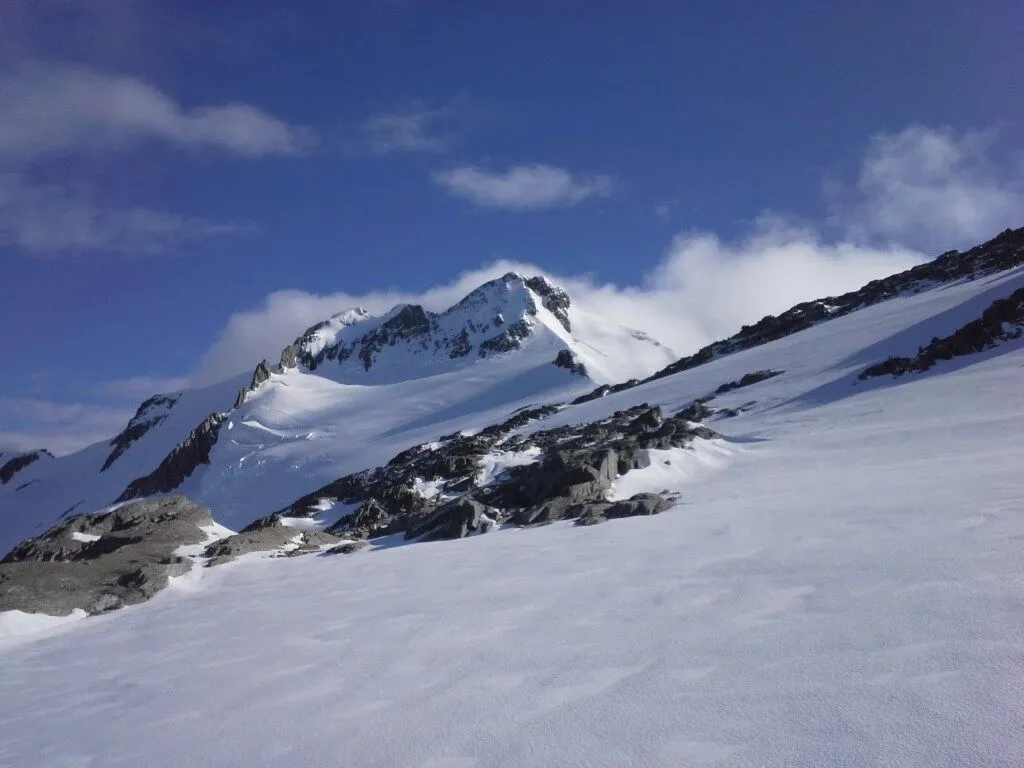
Mount Brewster (2515m)
The Brewster Glacier is one of the easiest glaciers to access in the country with a steep and direct approach through beech forest from the Haast highway. Mount Brewster is an alpine ascent that can be accomplished in a few days and great progression before attempting more challenging climbs in the Southern Alps.
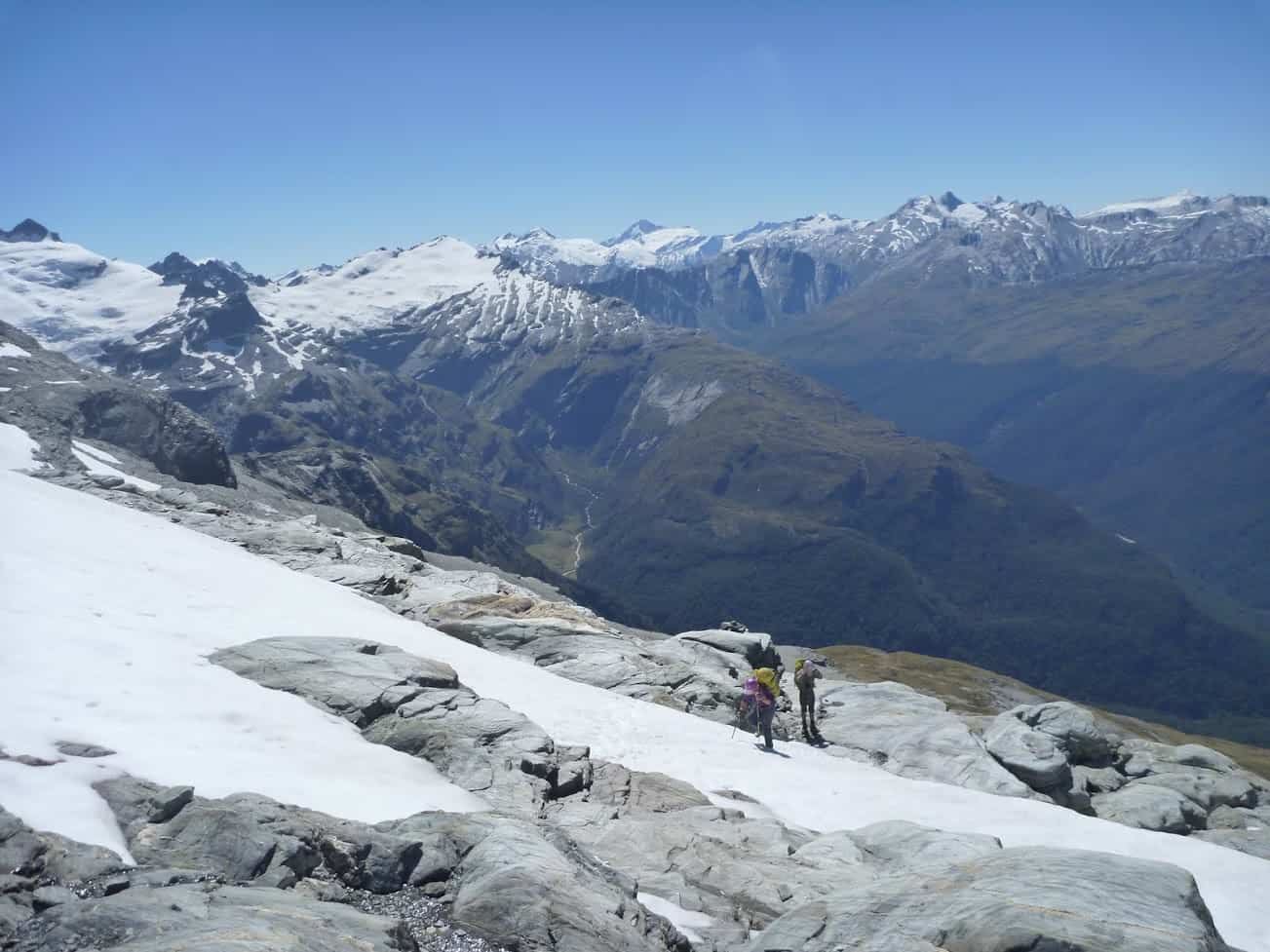
Pikirakatahi / Mount Earnslaw (2819m)
The highest peak of the Whakatipu basin. This provides a big elevation gain from the Rees Valley. Nights can be spent at the Kea Basin bivi rock or Esquilant Bivi above Wright Col. From here it is a relatively short climb to the summit. From December onward, the north face of the east peak is generally snow-free and gives a fun rocky scramble to the summit with a short crux.
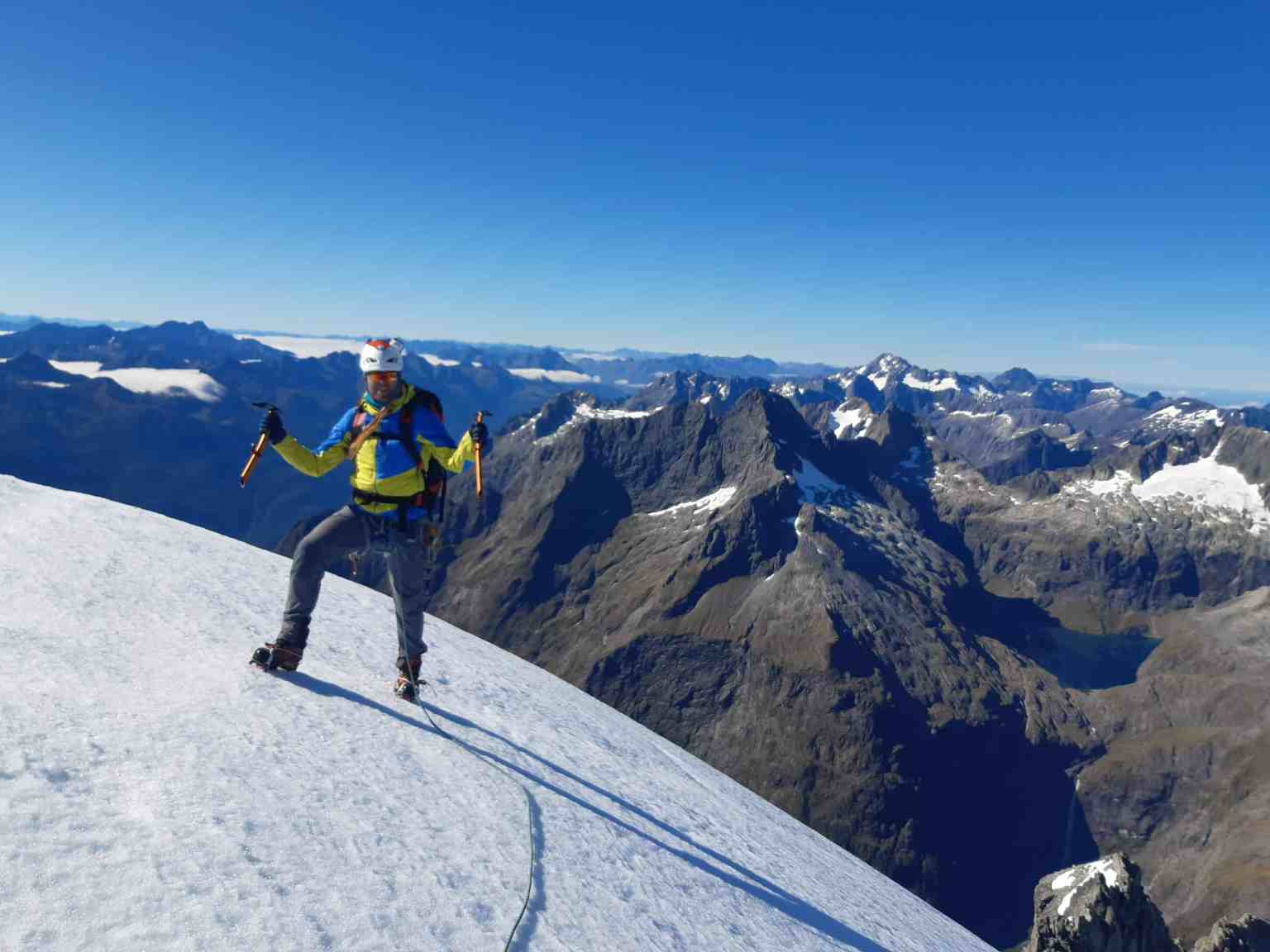
Mount Madeline (2,536m)
Standing as the second-highest peak in the Darran Mountains, Mount Madeline is a quintessential Fiordland objective. While often overshadowed by its neighbor, Mount Tutoko, Madeline offers a more accessible yet equally rewarding alpine experience. It is a peak of dramatic contrasts where ancient temperate rainforests meet sheer granite walls and active glaciers.
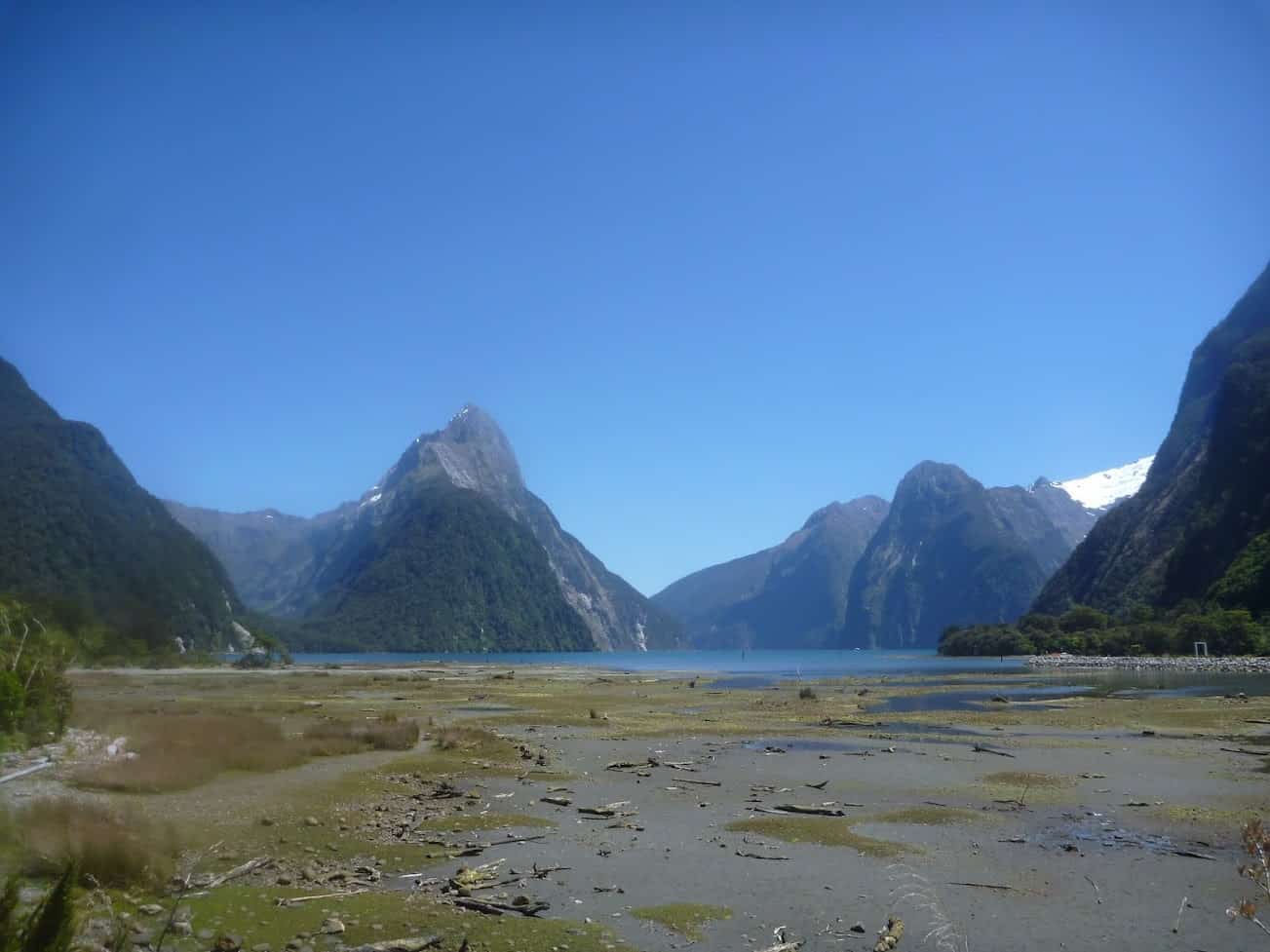
Mitre Peak (1692)
The climb of Mitre Peak is a classic summer scramble along a narrow and varied ridge with jaw dropping exposure down to the fiord below. One of the most recognisable of New Zealand's peaks, Mitre Peak (1692m) rises out from Milford Sound in Fiordland National Park, is the backdrop for the thousands of daily tourists that cruise the waters below. The climb is best enjoyed with a camp or a bivi on the shoulder to enjoy being alone long after the daily cruise tourists have headed away and to make the most of the sunrise over the mountains.
Mounts Walter (2095m) and Green (2837m)
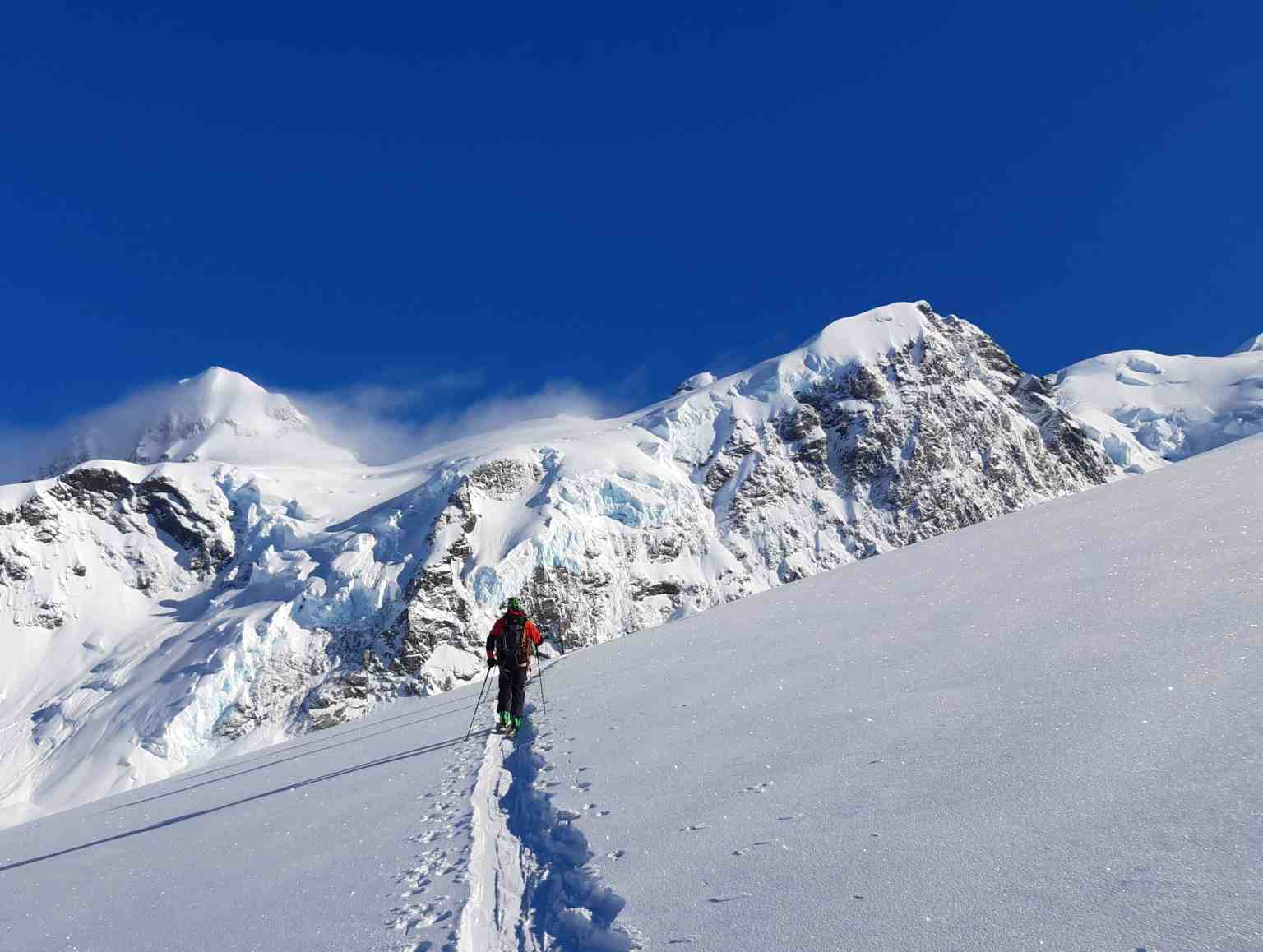
Just shy of 3000m, Mount Walter and Green are prominent from the upper Tasman / Haupapa Glacier. Accessed from Tasman Saddle Hut, and separated by a high plateau, it is possible to climb one or both of these peaks via a lower aesthetic snow arete.
Mount Tutoko (2,723m)
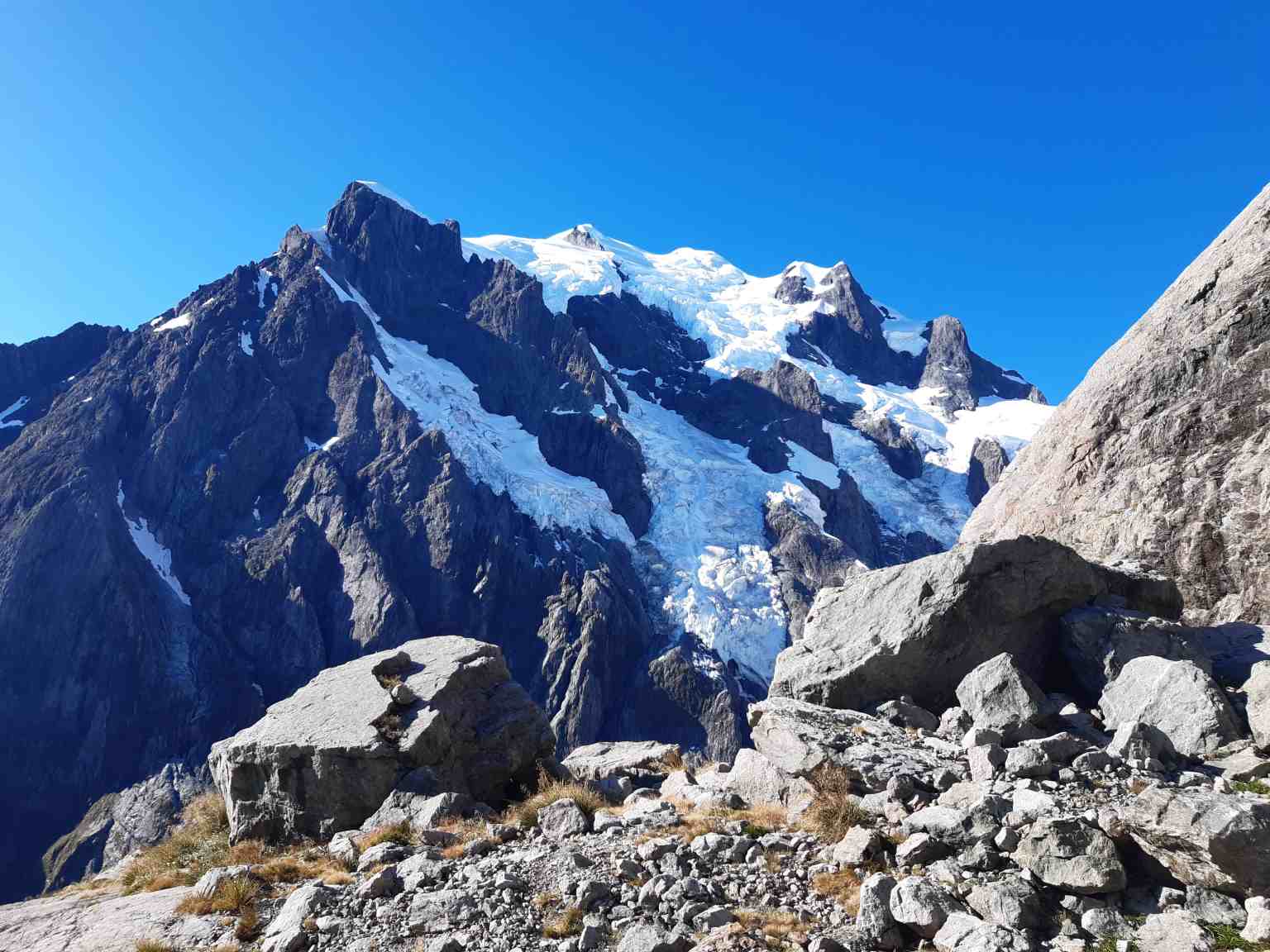
Mount Tutoko is the highest peak in the Darran Mountains of Fiordland. Whilst not as high as it's Aoraki / Mount Cook Region neighbours, it is a significant ascent from sea level and perhaps the most challenging significant peak in New Zealand.